Stop driving across town for tire-kickers. Here’s how to get better construction leads and then close the ones worth your time.
Most construction leads aren’t worth the gas it takes to go meet them.
Harsh? Maybe.
But ask any contractor who’s spent a Saturday measuring a job for someone who was never going to sign.
The real problem isn’t a shortage of leads.
It’s a flood of bad ones.
Tire-kickers, price shoppers, and “I’m just getting five quotes” callers who ghost you after the free estimate.
Every hour spent on a lead that won’t convert is an hour stolen from paying work.
This guide flips the script.
You’ll learn how to generate construction leads, qualify them fast, and close the right ones, so you spend less time chasing and more time building.
Key Takeaways
- More leads isn’t the goal; better leads, qualified faster, is what actually grows a construction business.
- A simple 15-minute phone filter (budget, timeline, decision-maker) weeds out tire-kickers before you ever drive to a site.
- The fastest way to close is to show, not tell: a photorealistic visual beats a text quote every time.
- With Cedreo, you can build a complete 3D concept in-house in about two hours and present it while the lead is still hot, no CAD skills required.
Why trust us? Here at Cedreo, we’ve got 20+ years of experience working with housing pros in the home design space. So we know what it takes for contractors and builders to create project presentations that help them close more leads!
See How You Can Create Complete Projects with Cedreo
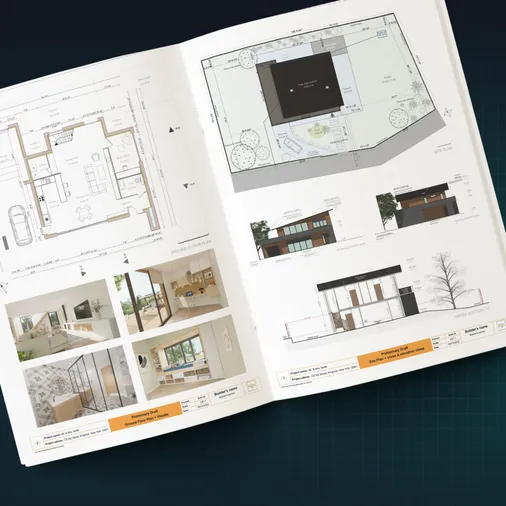
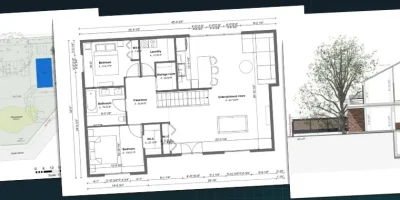
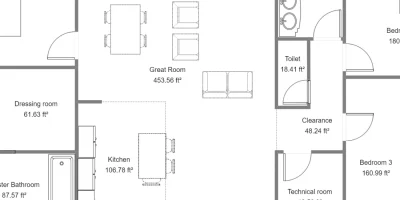
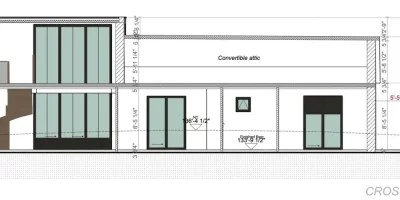
Plans – Get site plans, 2D floor plans, electrical plans, cross sections and elevation views — with all the technical details you need for a comprehensive project overview.
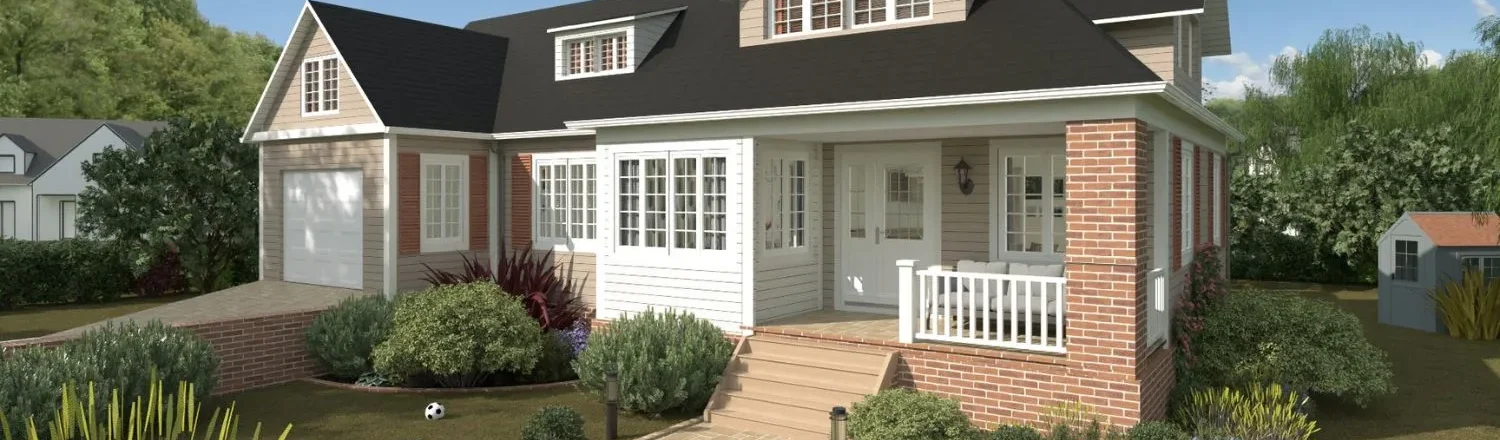
3D Visualizations – Use interior and exterior 3D renderings as well as 3D floor plans to help clients understand the finished project.
Documentation – Manage all your visual documents in one place, so it’s easier to present and sell your projects.
No credit card required, no commitment
Why Most Construction Lead Generation Strategies Fail
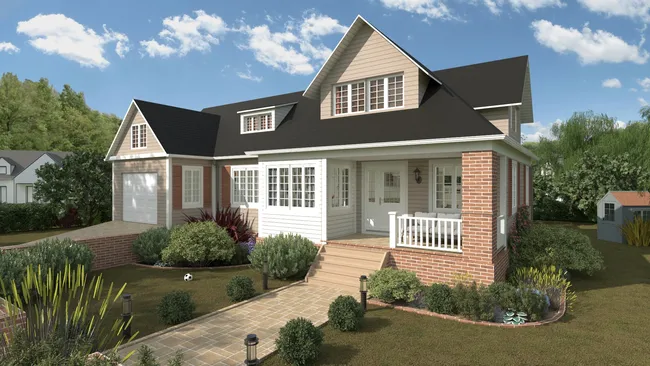
Most construction lead strategies fail because they chase volume instead of fit.
Most construction companies chase volume because it feels safe, but volume without fit just fills your week with the wrong work.
More names in the pipeline feels like progress.
But a pile of unqualified leads is just a pile of unpaid hours waiting to happen.
And that’s because not all leads are created equal.
Sometimes the busiest weeks on paper are the least profitable.
Why? Because the wrong potential leads eat your calendar alive.
The goal isn’t more leads.
It’s better leads, faster.
When you shift your focus from quantity to quality, every other number in your construction business improves: close rate, average job size, and the hours you actually get paid for.
This is true whether you run a one-truck operation or a growing construction company, and whether your work is residential or commercial.
The lead generation strategies in this guide work because they treat construction lead generation as a system you can measure, not a lottery you keep playing.
How to Get Construction Leads: Build This System
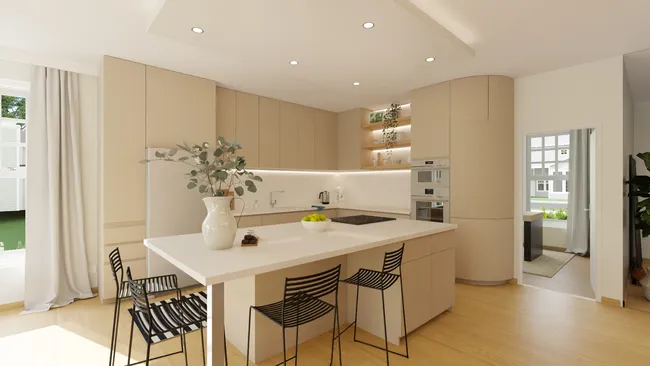
A real construction lead generation system has three stages, and most contractors only work the first one.
A scattered list of tactics (“post on Instagram, buy some leads, run an ad”) isn’t a system.
A system moves a stranger from first click to signed contract on purpose, and it does it for every project, not just the lucky ones.
That’s the difference between contractors who scramble for work and contractors who choose their projects.
Strong construction lead generation breaks down into three phases:
| Phase | The goal | What it looks like |
| Generate | Get in front of the right clients | Targeted messaging, local SEO, referral partners |
| Qualify | Filter leads before you invest time | Phone screening, budget questions, website forms |
| Close | Convert qualified leads into contracts | Fast follow-up, professional visuals, clear proposals |
Nail all three and you stop confusing “busy” with “profitable.”
A repeatable system turns a feast-or-famine company into a business with a steady stream of leads and the freedom to choose its best projects.
Let’s walk through each phase.
Phase 1: How to Generate Construction Leads to Get the Right Clients
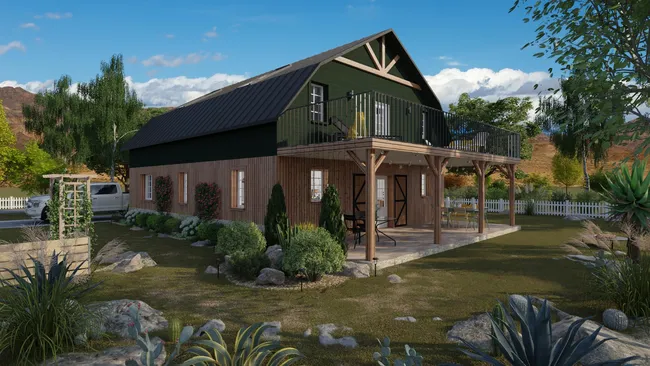
The best places to get construction leads are:
- Your Google Business Profile
- A local-SEO website
- Referral partners
- Social proof
- And paid ads
…roughly in that order of return for most contractors.
The right lead generation strategy starts before you chase any channel: decide which leads you actually want.
If you want high-end remodels, additions, and new builds, cut the “handyman,” “no job too small,” and “drywall repair” language from your website and socials, because that wording pulls in the opposite of a premium client.
The contractors who fill their pipeline fastest don’t just market more, they aim better.
Below are the channels where general contractors and remodelers actually get construction leads, with the concrete steps to work each one.
Get Leads From Your Google Business Profile
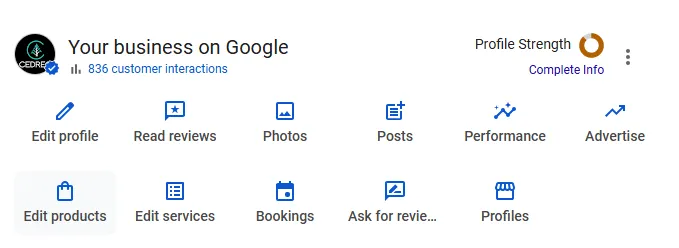
Your Google Business Profile is the single best free source of local construction leads, because it puts your company on the map and in search engines when homeowners search “contractor near me” in your local area.
- Claim and verify your profile so you control the listing.
- Set your primary category (for example, “General Contractor” or “Kitchen Remodeler”) and add secondary categories for each service.
- List every service you offer and the exact cities and zip codes in your service area, with consistent contact info across every listing.
- Upload 20 or more real project photos, then add fresh ones every month.
- Post a short update each week showing a finished job.
- Ask every happy client for a review that names the project type and city (“kitchen remodel in Tampa”), so nearby homeowners trust you on sight.
- Turn on messaging and answer within the hour, since fast contact wins the lead.
PRO TIP! Reviews that mention the project type and city are gold for local SEO. Hand clients a one-line example to copy, like “Mike’s crew built our garage addition in Frisco,” so the keywords that win searches end up in your reviews.
Get Leads From a Website Built to Rank and Filter
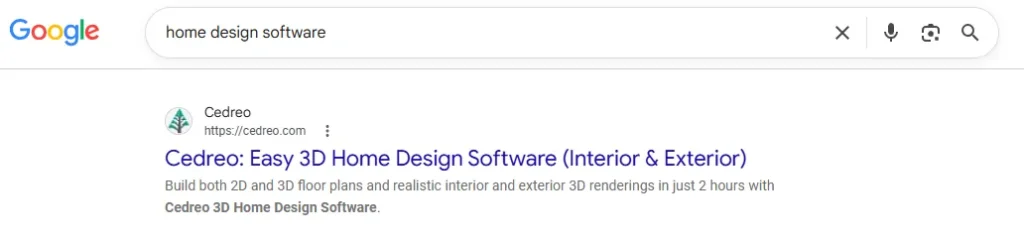
A contractor website earns leads two ways: it ranks for local searches and it screens out bad-fit homeowners before they ever call your company.
- Build one page for each core service and one for each city you serve, so you rank for searches like “bathroom remodeler in [city].”
- Put starting price ranges and real project costs on the page, so homeowners with realistic budgets self-select and the rest screen themselves out.
- Show case studies, your license number, and reviews to build trust fast.
- Replace the bare “name and number” form with three or four qualifying questions about project type, budget range, and timeline.
- Keep load times quick and your contact info, including a visible phone number, on every page.
Get Leads From a Referral Network
Referrals are the highest-trust construction leads you can get, because someone the homeowner already trusts is vouching for your company, and in the construction industry a good referral network compounds over time.
- List 10 partners who meet your future clients first: real estate agents, mortgage lenders, home inspectors, property managers, and developers.
- Offer a clear reciprocal arrangement or a referral fee so the relationship pays both ways.
- Give each partner a few shareable 3D project visuals they can forward to clients.
- Check in every quarter so you stay top of mind when a referral comes up.
These relationships, from agents to developers, become a referral network that keeps sending steady work.
Get Leads From Social Proof
Social platforms turn your finished projects into a steady stream of design-conscious leads, because homeowners buy a vision they can see before they ever contact you.
- Post before-and-after photos and 3D renders on Instagram, Facebook, and Houzz two to three times a week.
- Share short clips of the process, not just polished ads.
- Pin your best projects to the top of each profile.
- Reply to every comment and direct message quickly, since speed signals you’re reliable.
Interested homeowners who follow your work for months often turn into your easiest closes.
PRO TIP! For a deeper menu of channels to feed this stage, our rundown of residential construction marketing ideas pairs well with the targeting approach above.
Get Leads From Paid Ads (Google Ads, Meta Ads, Etc.)
Paid advertising is the fastest way to get construction leads when your pipeline is thin, as long as you track what each lead costs.
- Run Google Ads on high-intent keywords like “design-build contractor near me,” so search engines put your company in front of ready-to-hire homeowners, plus call-only ads that ring your phone directly.
- Use Meta and paid social ads to target homeowners by location and interest, then retarget the ones who visited your website but didn’t call.
- Test lead generation websites like Angi and Houzz for on-demand volume, but read the fine print, because those leads are often shared with several general contractors at once.
- Keep a simple email marketing list so past clients and old quote requests stay warm, an easy way for a busy contractor to stay top of mind until their project moves forward.
Track cost per lead from day one, and use that data to identify which channels pay.
The best contractors test a few lead generation strategies at once, then let the data decide where their company spends next.
A simple example: watch your Google Ads numbers, identify the cheapest cost per lead, and shift budget there.
The catch with every paid lead source is the same: it only pays off if you qualify hard and close well, which is exactly what the next two phases are for.
Phase 2: Qualify, How to Filter Construction Leads Before You Visit
Qualifying a lead means you protect your time, and if you don’t do it on the very first call, you’re losing money.
This is the phase most contractors skip, and it’s the single biggest reason good construction leads turn into bad weeks.
A site visit costs you fuel, hours, and momentum on paying jobs.
So never drive out before you’ve asked the hard questions.
We call it the 15-minute phone filter:
- What’s the budget? If they say “I don’t know,” give them a baseline: “Our kitchen remodels start at $50k, does that line up with what you had in mind?”
- What’s the timeline, and why? Urgency itself isn’t a warning sign: storm damage, an insurance job, or a buyer whose last contractor flaked are often hot, ready-to-sign leads. The real red flag is an unrealistic timeline for the scope, like wanting a custom build finished in a month, because it signals they don’t understand the work.
- Who else is involved in the decision? If a spouse or partner hasn’t been part of the conversation, you’re not close to a yes.
You can also bake some of these same filters right into your website.
Instead of a bare “name and number for a callback” form, add a few required qualifying questions about project type, budget range, and timeline.
A smarter website form helps you identify serious buyers and protect your schedule at the same time.
If a prospect can’t spare two minutes to fill out your contact form, they probably won’t sign a contract either.
Treat every form submission as a potential lead to be screened, not an appointment to be booked.
An interested buyer will happily share project type, budget, and contact details up front.
Then there’s the biggest filter of all: how you handle the design phase.
For large, complex jobs (i.e. home addition, new build, large remodel) pros protect their time with a Pre-Construction Services Agreement (PCSA).
It’s a paid step that covers the design and planning work (detailed plans, photorealistic renderings, revisions, and material selections).
Charging for that full design work, instead of handing out free estimates, is the fastest way to weed out price-shoppers.
Just keep in mind this important distinction: a paid design phase is not the same as a quick concept.
A quick concept is a rough first look you can rough out in minutes, just enough to show a prospect you understand what they’re asking for.
The detailed design work that takes real hours is what your PCSA charges for, so you never give away the expensive part.
Then if the client, after getting your full designs and a detailed estimate, continues to go through with the project, you can consider deducting the design fee from the overall cost.
Run every lead through these filters and you’ll spend your time on projects that actually close, not on homeowners who were never going to sign.
Cedreo advantage Cedreo is fast enough to rough out an initial concept in minutes, so you can prove you understand a prospect’s vision before anyone signs.
Phase 3: Close, How to Convert Residential Construction Leads Into Signed Contracts

Closing a qualified lead comes down to speed and proof:
- Present a professional vision before the excitement fades
- And back it with visuals that build trust because the client actually understands them
This is where most deals quietly die, in the lag between the first meeting and the project presentation.
We’ve seen the pattern with builders we work with again and again.
The waiting trap: A hot lead goes cold while waiting three-plus weeks for an architect or outsourced draftsperson to send back 2D plans, which the client probably can’t read anyway.
The traditional software trap: Most general contractors don’t have the time to master complex tools like AutoCAD or Chief Architect just to put together a sales pitch.
That delay creates an opening for competitors.
Every extra day between the first meeting and the project presentation is another day someone else can step in with a faster, clearer, more compelling proposal.
That’s why speed is one of the biggest ways a smaller construction company can compete with larger builders.
You don’t need the biggest team. You need a faster path from conversation to confidence.
The goal is to compress the gap between the first meeting and the close.
Instead of asking the client to interpret technical drawings or imagine the finished project from a line-item estimate, you need to show them a vision they can immediately understand.
That’s where construction design software like Cedreo comes in.
With Cedreo, even small contractors can take advantage of the benefits of 3D modeling in construction without needing advanced CAD skills.
You can create 2D plans, 3D floor plans, and project visuals quickly, then use them to build a clearer, more professional contractor proposals.
And once you can create those visuals in-house, they do more than help you close one job.
They become one of the most powerful lead generation assets your construction business has.
The One Lead Gen Asset Most Construction Businesses Overlook
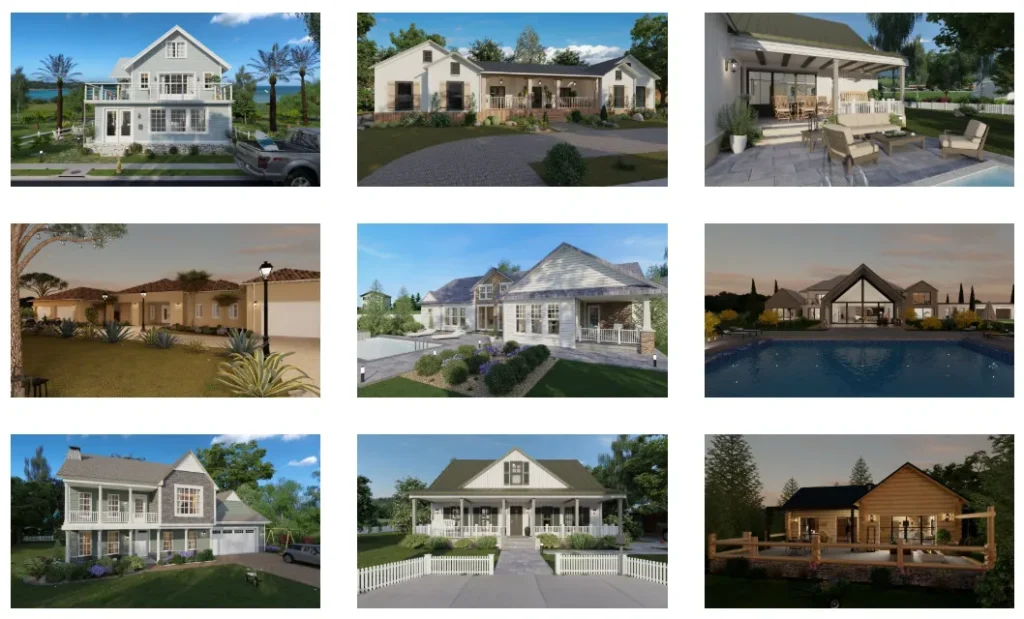
The most overlooked lead generation asset isn’t a channel or an ad.
It’s a library of professional project visuals you build once and use everywhere.
Most contractors think of 3D renderings as a closing tool and nothing more.
What they miss is that the same visuals pull in better leads long before the close.
One rendering can do three jobs across your funnel:
- Attract: Posted on your website, Instagram, and Houzz, renderings act as case studies that draw design-conscious homeowners to you instead of to the cheapest bidder.
- Qualify: Offering a quick concept shows a prospect you understand their vision and separates serious buyers from tire-kickers.
- Close: The full photorealistic presentation, produced under your pre-construction agreement, is what wins the build contract.
Build the library once and it keeps working at every stage, for residential and commercial projects alike.
That’s why the general contractors and developers we work with treat their portfolio as a sales tool, not an afterthought.
So why does a visual out-pull and out-close a written estimate?
Compare the two side by side:
| The text quote | The Cedreo visual presentation |
| A list of line items and dollar figures | A photorealistic 3D rendering of the finished home |
| Asks the client to imagine the result | Shows the client the result |
| Looks like every other bid in the stack | Stands out as the professional in the room |
| Competes on price | Competes on value and trust |
| Easy to shop against a cheaper guy | Hard to compare, because nobody else has it |
It’s the same playbook behind selling new construction homes before a single wall goes up: show the finished result, and the conversation becomes less about price.
Cedreo advantage With Cedreo, you create 2D plans, 3D floor plans, and photorealistic 3D renderings for a full project presentation in a few hours, no CAD degree required. If you don’t have an account yet, you can create a free one now.
Tracking and Nurturing Your Leads Through the Sales Funnel
Most residential construction projects take months to materialize, so the money is in how you manage the pipeline, not just how you fill it.
That’s because a lead who isn’t ready today can absolutely be ready in six months, if you stay top of mind.
And most contractors lose more deals to silence than to lost bids, simply because they stop following up.
That’s where tracking and nurturing your leads earn their keep.
- Use a CRM: Put every lead in one place so you know where each one sits and when to follow up.
- Run nurturing campaigns: Stay top of mind with monthly email marketing featuring completed projects, fresh 3D concepts, and home-maintenance tips.
- Measure cost per acquisition (CPA): Track what it costs to sign one contract, then fund the lead sources that pay and cut the ones that don’t.
Track CPA by source and the data shows which channels deserve more money.
Pair that with a strong referral network and you grow your construction business no matter how the construction industry shifts.
The contractors who treat lead follow-up as a habit develop lasting relationships, produce leads on autopilot, and measure success by signed contracts.
Build a Contractor Lead Generation System That Lands You More Jobs
Better construction project leads come from a system, not a scramble.
Generate the right prospects, qualify them before you burn a site visit, and close with visuals that make price a footnote.
That’s where Cedreo fits your sales process:
- Build a complete set of house plans and photorealistic 3D renderings in as little as two hours.
- Present a professional vision while the lead is still hot, no CAD skills needed.
- Win client trust faster and turn more potential leads into signed contracts.
Sign up for a free Cedreo account today and start closing better leads with the right visuals.
Construction Project Leads FAQs
How do I get free construction leads?
The best way to get construction leads for free is through referrals, a well-optimized Google Business Profile, and organic social posts showing your work.
Sharing professional visuals (like 3D renderings made in Cedreo) on those channels helps you attract better leads without paying per click.
How do I qualify a construction lead before visiting?
To qualify a construction lead before a site visit, run a quick phone screen covering budget, timeline, and who makes the decision before you ever drive out.
A well designed form on your website that requires potential leads to answer a few questions about their project also verifies how serious they are.
How many construction job leads does a builder need per month?
It depends less on volume and more on quality, since a handful of well-qualified construction job leads can outperform dozens of tire-kickers.
Builders who pre-qualify leads and present polished Cedreo proposals often need fewer leads because they close a higher percentage of them.
How do I convert construction leads into clients?
To convert construction leads into clients, respond fast, qualify hard, and present a clear vision the client can actually picture instead of a wall of line items.
A photorealistic Cedreo presentation helps interested clients say yes on the spot by showing them a finished result that matches what they had in mind.
Should I pay for construction leads from lead generation sites like Angi or HomeAdvisor?
Paid lead services can fill gaps, but the leads are often shared with competitors and skew toward price-shoppers, so track your cost per acquisition closely.
Pairing any paid lead with a strong visual proposal (like one built in Cedreo) is what separates a closed job from a wasted fee.
Is it time to stop giving free estimates to construction industry leads?
For large projects, yes; replacing free estimates with a paid Pre-Construction Services Agreement filters out tire-kickers and gets you paid for your planning work.
Cedreo makes that design phase fast enough to be profitable, often just a couple of hours per concept.
How quickly should I respond to a new construction lead?
As fast as you reasonably can, ideally within minutes to an hour, because most leads cool quickly when they’re shopping multiple contractors.
Having Cedreo visuals ready to share early keeps the momentum on your side.
How can pre-construction software help me close more leads?
Pre-construction design software like Cedreo lets you turn an idea into photorealistic plans and renderings in hours instead of weeks.
That speed closes the gap where hot leads usually go cold, so your company signs more of them.