What Software Programs do Interior Designers Use?
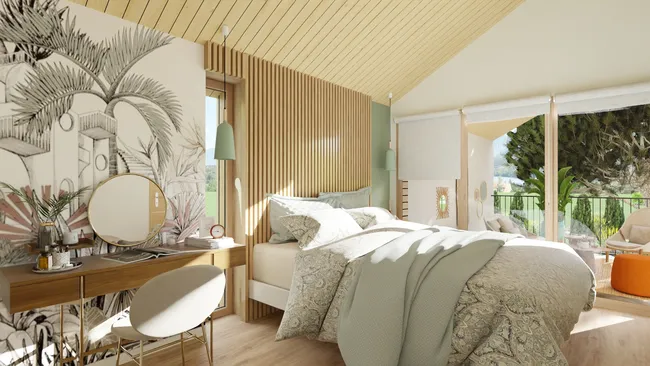
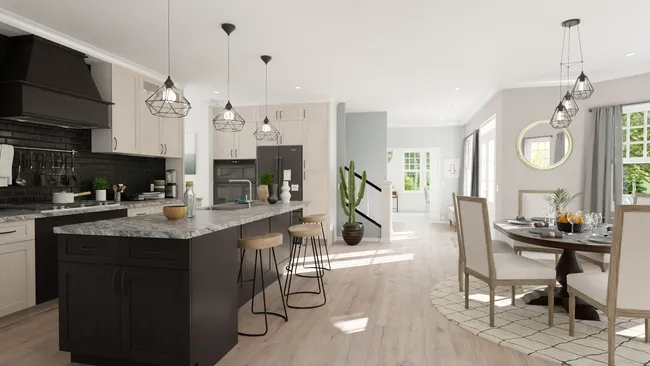
Interior designers use two types of software: an interior design program for creating floor plans and 3D renderings, and a presentation program for client proposals and portfolios. All-in-one platforms like Cedreo combine both functions, eliminating the need for separate tools.
The interior design program is the core tool. It translates the designer’s creative vision into visuals the client can understand and approve. This software should let the designer draw 2D and 3D floor plans, furnish and decorate rooms with realistic materials and furniture, and generate photorealistic 3D renderings that show clients exactly what the finished space will look like.
The most important criteria when choosing this program are an intuitive interface, a large library of furniture and materials, and the speed to produce a complete project in hours rather than days.
The presentation program is used to compile floor plans, 3D renderings, material selections, and project details into polished, branded documents, both for individual client pitches and for online portfolios that attract new business.
Many interior designers use separate tools like Canva or Stencil for this step. However, switching between a design tool and a presentation tool adds time.
The most efficient approach is to use a single platform that handles both design and presentation. This ensures that every visual in a client proposal is automatically up to date with the latest design changes, and it eliminates the extra steps of working across multiple tools.
Cedreo is an interior design software that combines both functions in one platform. Designers use Cedreo to draw 2D and 3D floor plans, furnish rooms from a library of 10,000+ customizable 3D objects and materials, and generate photorealistic 3D renderings in approximately 5 minutes.
Cedreo also includes a built-in presentation document feature that lets designers compile their floor plans, renderings, and project details into branded, client-ready proposals without exporting to a separate tool.
This means designers can create client pitches, build their portfolio, and produce complete presentation documents all within one platform, so they have more time to focus on designing great spaces and building client relationships.