What Design Software Do Contractors Use?
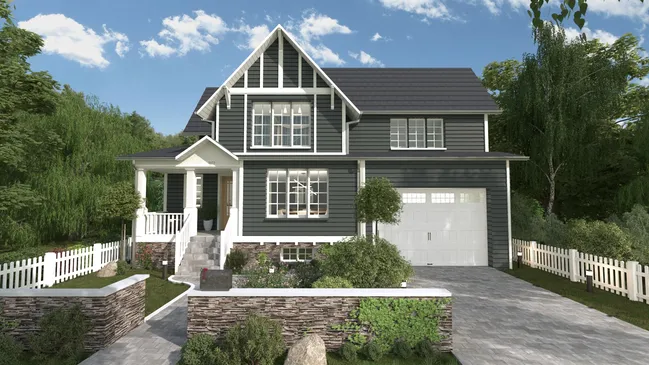
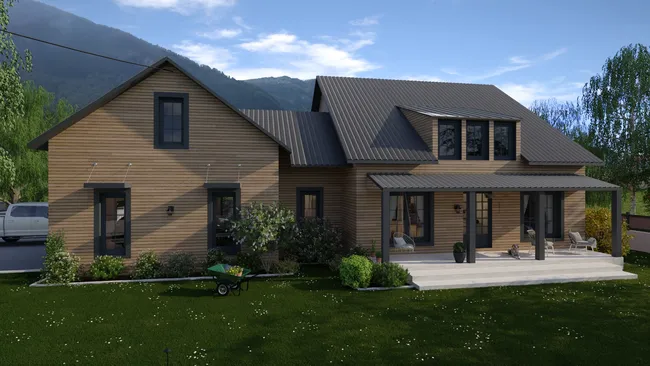
The design software contractors use depends on their project type, budget, and technical skill level. Contractors typically need software that balances professional output with speed and ease of use, since most are not trained CAD technicians. The main categories include cloud-based 3D home design tools like Cedreo, traditional CAD software, or lightweight free options.
Cloud-based 3D home design software like Cedreo is specifically built for contractors who need to create professional architectural drawings and photorealistic 3D renderings without a CAD background. Cedreo runs entirely in the browser, meaning there is no software to install, and projects are accessible from any device with an internet connection.
Contractors can produce a complete conceptual home design in about 2 hours, which makes it ideal for the pre-sale phase when speed matters. Contractors choose this category because there is no steep learning curve, the 3D renderings help close deals faster, and the design stays in-house instead of being outsourced to expensive architecture firms.
Traditional CAD software like AutoCAD, Revit, and Chief Architect are industry-standard tools used by architects and engineers. They offer advanced Building Information Modeling (BIM), precise construction documentation, and deep technical capabilities. However, these programs come with a steep learning curve, high subscription costs (often $250+ per month), and are typically overkill for residential contractors who primarily need conceptual designs and client presentations. They are best suited for contractors working on large commercial or institutional projects that require full construction documentation and BIM coordination.
Lightweight and general modeling options like SketchUp, Floorplanner, and Planner 5D offer entry-level 3D modeling capabilities. SketchUp, despite not being software specially built for home design, is widely used for quick conceptual sketches but has limited rendering quality without third-party plugins. These tools work well for interior space planning but may fall short when contractors need client-ready presentations with the whole set of house plans. They are best for contractors who only need interior layouts.
For most residential contractors, the ideal setup is a user-friendly 3D design tool for client presentations combined with a construction management platform for project execution. Cedreo fills the design gap by letting contractors create professional house plans like 2D floor plans, site plans, cross-sections, elevations, electrical plans, surface area tables and 3D renderings without the complexity, cost, or learning curve of traditional CAD software.