Container house ideas organized the way pros actually plan jobs, so you can pitch faster and win more builds.
Container home ideas have moved from quirky pinboard finds to a real category for housing pros.
Demand keeps climbing as buyers chase affordable, sustainable, and eco-friendly alternatives to traditional construction methods.
Most articles stop at one or two layouts and leave the rest to your imagination, which doesn’t help you sell a project.
Contractors, builders, and remodelers need real options they can pitch, price, and build, organized the way they actually plan jobs.
That’s exactly what you get here.
This guide pulls together 25+ shipping container home ideas grouped by scale, use case, exterior finish, and design style.
Each section gives your next prospect something concrete to react to, and a clear path from inspiration to a signed contract.
Key Takeaways
Cedreo lets you test container home layouts and finishes in 3D before any steel hits the lot, so you can lock in client buy-in before construction starts.
Container size sets the envelope: a 20-foot unit gives roughly 160 sq ft for studios and ADUs, a 40-foot unit doubles that for a true one-bedroom, and a high cube adds an extra foot of height that unlocks a sleeping loft.
Stacked, L-shape, U-shape, and offset configurations each unlock specific outdoor living and zoning benefits worth knowing before you draw.
Interior style (industrial, farmhouse, minimalist, or coastal) and exterior finish (raw corrugated steel, wood cladding, or bold paint) often drive a client’s reaction to the home more than the floor plan itself.
Why trust us? Here at Cedreo, we’ve got 20+ years of experience working with housing pros in the home design space. So we know what it takes for contractors and builders to create shipping container homes that land them more clients!
See How You Can Create Complete Projects with Cedreo
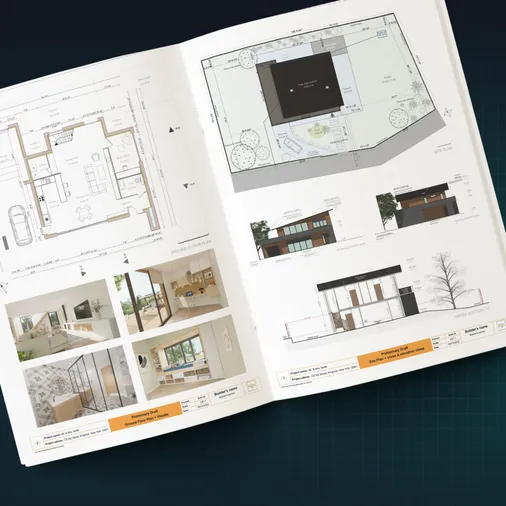
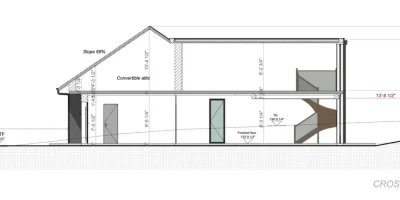
Plans – Get site plans, 2D floor plans, electrical plans, cross sections and elevation views — with all the technical details you need for a comprehensive project overview.
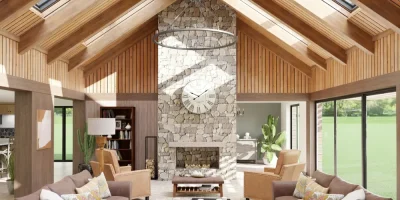
3D Visualizations – Use interior and exterior 3D renderings as well as 3D floor plans to help clients understand the finished project.
Documentation – Manage all your visual documents in one place, so it’s easier to present and sell your projects.
No credit card required, no commitment
Single Container Home Ideas
Single container home ideas are where most pros start.
One shipping container, one structure, simple math.
Studio (20ft Container) for Singles, Guest Houses & ADUs
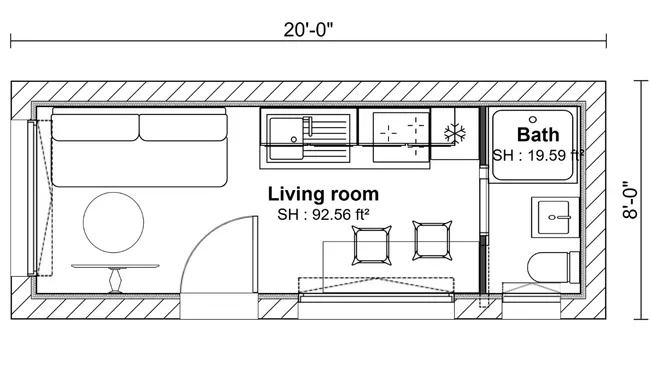
A 20-foot shipping container gives you about 160 square feet of livable space, which is half the footprint of standard 40-foot shipping containers.
That tight space plays to your advantage with single occupants, backyard ADUs, and short-stay guest houses you can build for rent income.
Make every inch count:
- Tuck in a compact kitchenette with a small sink and a built-in microwave
- Use a corner shower in the bathroom to save space
- Pick multifunctional furniture, like a sofa bed or Murphy bed that turns the sleeping areas into daytime living spaces
Interior finish: Keep it light and bright with white walls, pale wood-look flooring, and one accent material or color.
Check out more Tips & Tricks for Planning a 20 Foot Container Home.
One-Bedroom (40ft Container) for Couples & Off-Grid Retreats
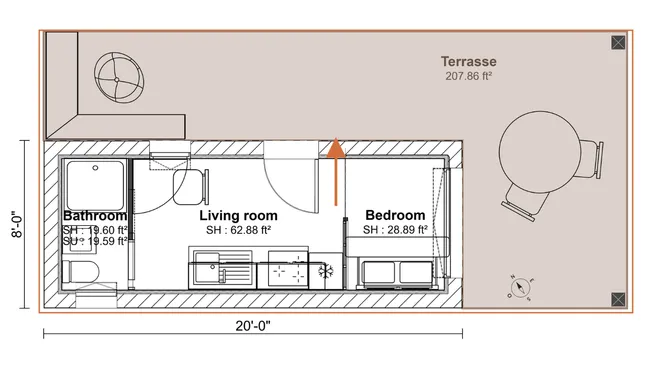
A standard 40-foot shipping container roughly doubles your usable space to about 320 square feet.
That’s enough for a true one-bedroom layout with livable spaces that don’t feel too cramped.
This is the size most builders we work with reach for first when a couple wants a permanent residence on a small lot or a serious off-grid new home.
Ideas:
- Combine the kitchen, dining, and living spaces into one open layout
- Carve off a private bedroom at one end with a partition wall
- Add large sliding glass doors along the long wall for natural light and an indoor-outdoor flow with plenty of fresh air
- Lean into floor-to-ceiling windows and layered lighting (recessed plus sconces) for a higher-end feel
Interior finish: Lean modern with quartz counters, matte black hardware, and warm white oak floors to soften the steel shell.
Check out more 40ft Container Home Design Tips & Layout Ideas.
High Cube Loft Container for Vertical Space
A high cube container is 9 feet 6 inches tall, which is one foot more than a standard container.
That extra foot maximizes vertical space and gives you a little extra room for creativity with loft layouts and storage options.
Use the loft for:
- A sleeping mezzanine
- A play area for kids
- A home office tucked above the main floor
- Extra storage that frees up the main floor
Stretch every other surface, too:
- Run kitchen cabinets to the ceiling
- Add tall bookshelves and stacked closet shelving systems
- Use the floor space underneath the loft as a reading nook or work zone, even with limited headroom
Interior finish: Try painted shiplap on the upper wall section and a darker tone below to draw the eye up.
PRO TIP! Draw the floor plan in Cedreo container house design software first to test furniture fit and ceiling clearance before you finalize window locations.
Multi-Container Home Ideas
Combine multiple containers and you can create a real home with the same square footage as a starter house.
How many containers you use shapes the layout, the cost, and the timeline.
2-Container Home for Open-Concept Living
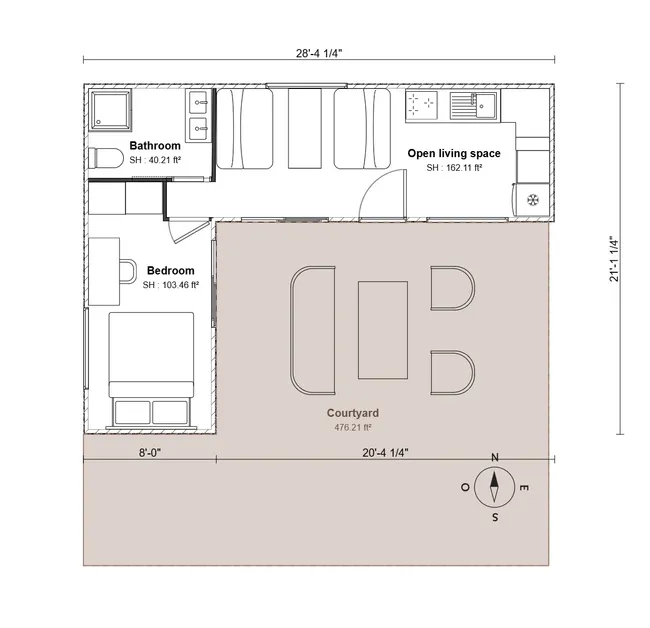
Two 40-foot shipping containers gives you roughly 640 square feet to work with and two clear configurations.
Side-by-side for one big open zone:
- Remove the inside walls between the two containers
- Combine kitchen, dining, and living into one wide-open space
- Place windows or sliding glass doors on walls opposite the big opening
L-shape variation for zoning privacy: Rotate one container 90 degrees off the other to keep bedrooms and an office on one wing and communal living on the other.
The inside corner of the “L” becomes the perfect place for a deck, courtyard, or gardens.
3-Container Home with Central Courtyard
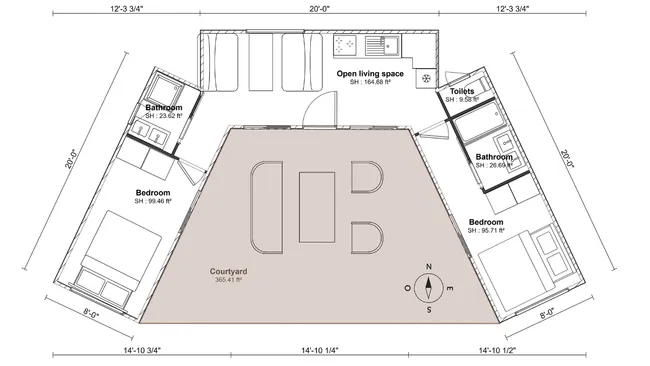
A 3-container home arranged in a U-shape carves out a partially enclosed central courtyard.
That’s the standout feature for clients who want a home connected to the outdoors.
The courtyard pays off three ways:
- Raised gardens, a dining area, or a play zone in the middle
- Sliding doors and large windows on each interior wall to pull the outside in from every room
- Sheltered space for outdoor furniture that expands the usable footprint in more seasons
For full design detail and U-shaped floor plans, check out the U-shaped container home article.
Staggered or Cantilevered Container Design
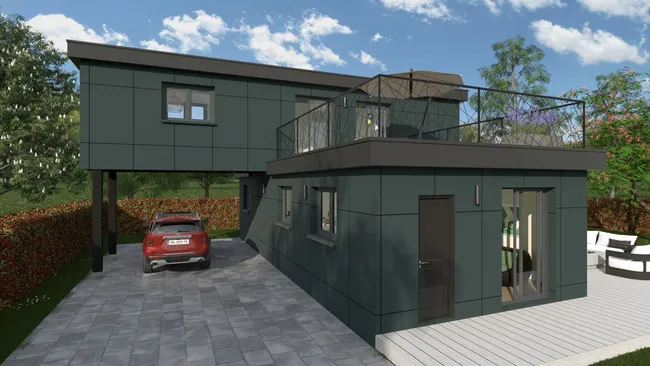
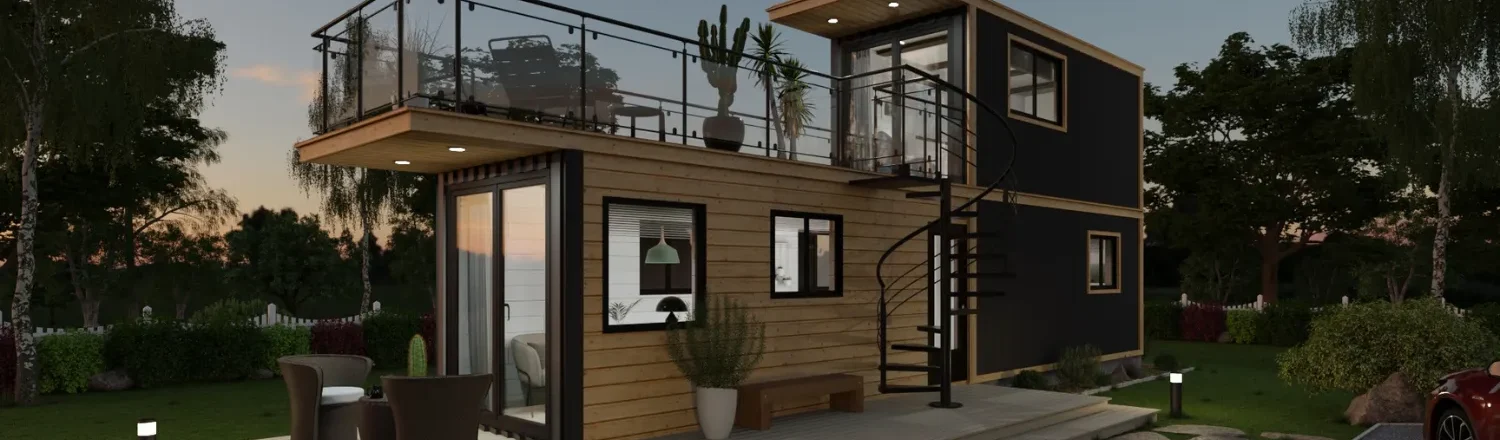
Stacked containers shifted so the upper one overhangs the lower are the move for visual impact and bonus outdoor living.
Two ways to play it:
Vertical cantilever (Stacked with overhang):
- The overhang creates a covered area underneath, ready to become a porch, garage bay, carport, or shaded patio
Horizontal offset:
- Place one container 8 to 15 feet in front of the other on the same level, and the recessed end becomes the perfect place for a deck or front porch
- The middle overlapping section is perfect for an open-concept living area with light coming in from both ends.
Keep in mind that these are just aesthetic ideas, not a structural template.
Anytime you do multi-level container homes, it’s important to check with a qualified engineer or architect so you’re sure the cantilevered structure is safe and the bottom container has proper structural support.
2-Story Container Home for Narrow Lots
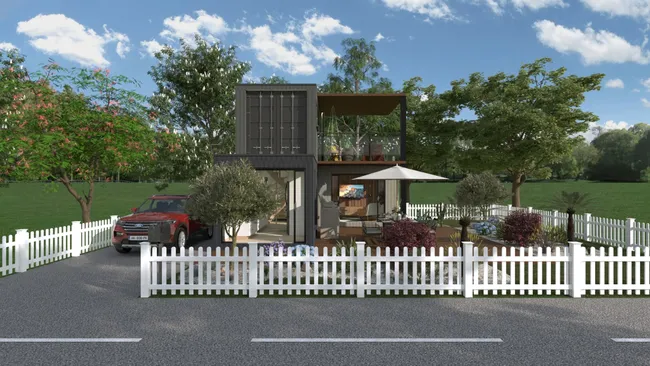
A 2-story container home stacks containers vertically to keep the footprint small. That’s the right call on infill lots, urban parcels, or steep land where horizontal space is the constraint.
Two common stacks:
- 20-foot on top of 40-foot: Use the 2nd level as a private bedroom or studio space and then make the exposed roof of the bottom container into an outdoor deck or rooftop garden.
- 40-foot on top of 40-foot: Roughly 640 square feet across two floors, with a stairwell tucked into one end for maximum usable space
For more on planning, layouts, and structural considerations, see our 2-story container home article.
Container Home Ideas by Use Case
Container homes can stand in as backyard ADUs, vacation cabins, pool houses, garages, and home offices.
The use case decides everything about how the layout, finishes, and exterior come together.
Backyard Guest House or ADU
A single 20-foot or 40-foot shipping container is a tight, predictable footprint for a backyard guest house or accessory dwelling unit you can rent out.
Ideas for the container guest house:
- A sleeping area, three-quarter bathroom, kitchenette, and small living zone within the long rectangular plan
- A covered porch or pergola off the long side to extend living spaces into the yard
- Warm wood inside and crisp white or charcoal cladding outside to soften the industrial bones
Always confirm setbacks, ADU rules, and short-term rent regulations with your local building department before deciding on adding a guest house or ADU to your site.
Off-Grid or Vacation Cabin
Off-grid container homes thrive on remote land where running utilities is expensive or impossible.
Give it the full off-grid kit:
- Solar panels on the roof
- A rainwater collection system
- A wood stove for heat (energy efficient and self-sufficient)
- Composting toilets
- Propane water heater and stove
Ideas for the off-grid interior:
- Timber or rustic wood accent walls to give it a cabin-like feel
- Sofa beds or a bunk-bed arrangement to maximize sleeping capacity for vacation rentals
- Large windows aimed at the best view
Pool House for Outdoor Living
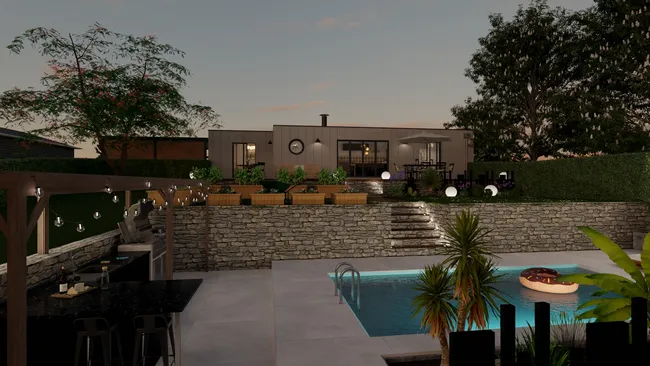
A shipping container house works beautifully as a pool house because it sits flat, dries fast, and stands up to splashes.
Ideas for a container as a pool house:
- Large sliding glass doors, accordion walls, or a roll-up door on the long wall
- A compact bathroom with a shower, changing area, and storage room for towels
- A mini-fridge and bar for snacks and drinks
A second 20-foot shipping container next to the pool house can flex as a poolside garage for maintenance equipment, seasonal furniture, or a mower.
Home Office, Garage or Creative Studio
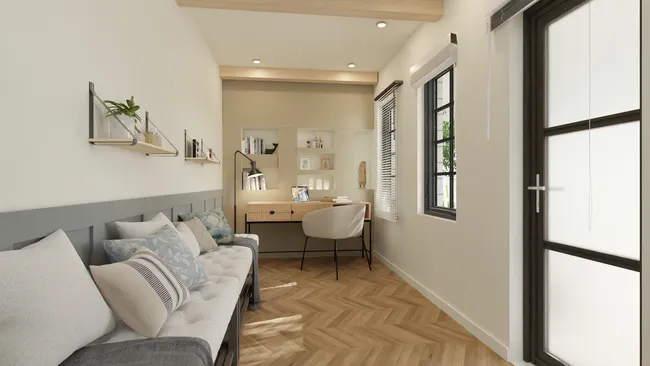
A 20-foot shipping container makes a smart home office for remote workers, contractors, or anyone who wants to keep work out of the house.
Ideas for a container office:
- A desk, comfortable chair, and end table to create a separate reading nook
- A small kitchenette with a mini fridge and a place for a coffee maker
- Large windows for natural light (non-negotiable for a workspace clients will actually use)
The same shell could be turned into a creative studio with skylights, an oversized window wall, and movable partitions to split the space into zones for painting, sculpting, or writing, depending on personal preference.
Or convert it to a garage: Replace one end with a roll-up garage door for easy access. Place two storage containers side by side if you need a wider garage that fits a vehicle plus tools.
Each use case has different space constraints, so test the layout against the actual lot in Cedreo’s site plan software before you commit to a design or location on the site.
Container Home Interior Design Ideas
Container interiors tend to split into four go-to looks: industrial, farmhouse, minimalist, and coastal.
Match the right style to your client’s taste before you start spec’ing finishes.
Industrial Container Home Style
Industrial leans into the bones of the container with exposed steel, polished concrete floors, and raw materials that make the shell feel like the architecture, not a problem to hide.
Black metal fixtures, Edison-bulb lighting, and reclaimed wood accents pull the look together without adding cost.
Farmhouse Container Home Style
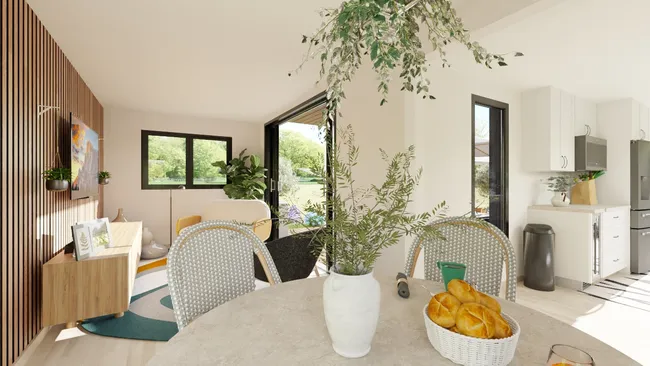
Farmhouse softens the steel with warm timber flooring, plywood feature walls, and barn-style lighting.
Shiplap on the ceiling, a butcher-block kitchen counter, and matte black hardware finish the look.
This one resonates with rural land buyers who want the container house price tag with a recognizable, lived-in feel.
Minimalist Container Home Style
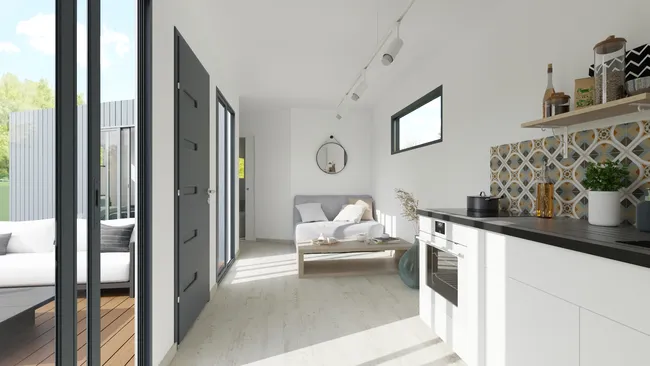
Minimalist works with the long rectangular plan instead of fighting it.
Go with a tight neutral palette, built-in storage everywhere, and almost no visible clutter.
Clean lines and one or two intentional textures (linen, light oak, or matte plaster) keep the small footprint feeling calm rather than cramped.
Coastal Container Home Style
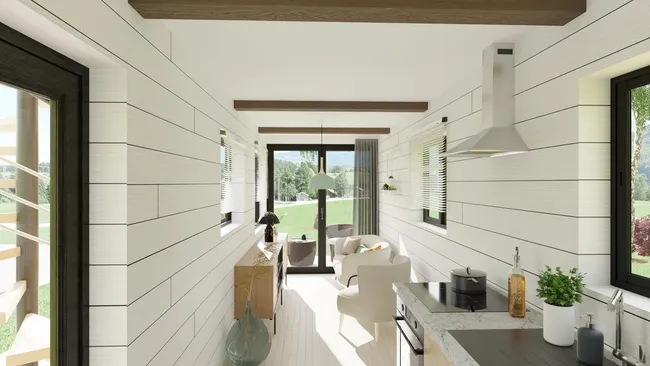
Coastal trades steel grit for white tones, light wood, and pale-blue accents that read airy from the moment a client walks in.
Glass sliding doors, sheer curtains, and woven textures keep the look beach-ready, even when the home isn’t actually on the sea.
PRO TIP! Cedreo’s design library has furniture and materials that match these four main styles so you can use Cedreo to present a variety of style options to your client so it’s easier for them to make a design decision they’ll be happy with long-term.
For the full deep dive on container house style, send clients to our modern container house article.
Container Home Exterior Ideas
The exterior decision usually comes down to one question.
Does the client want the structure to look like a shipping container, or be disguised as a conventional house?
Raw Corrugated Steel for Industrial Chic
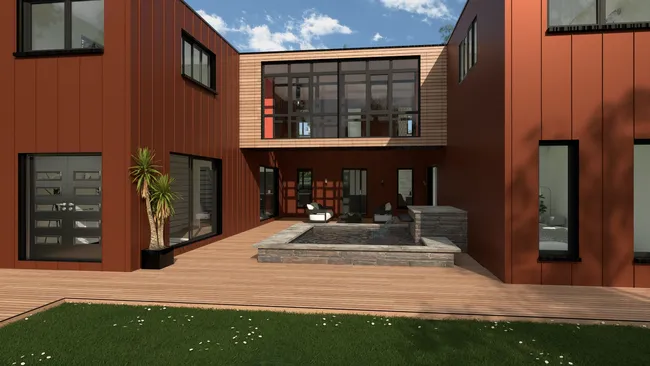
Raw corrugated steel is the cheapest exterior option, the fastest to install (since it’s already there), and the one that leans hardest into “yes, this is a container.”
Skip the cladding entirely, leave the original double doors on the end, and let the metal speak for itself.
The shell is already built to withstand harsh weather conditions, sea air, and direct sun, so as-is, it is already low maintenance and durable.
Wood Cladding for Warm Contrast
Wood panels are the most popular exterior finish among the custom container homes we see, mostly because wood softens the industrial look without erasing it.
Vertical cedar, charred shou sugi ban, or stained pine wraps the steel and instantly reads as a residential home.
Combine wood with a single visible band of raw steel (around the door, for example) to keep some of the original container DNA in plain sight.
Bold Painted Exterior for Maximum Personality
A bold painted exterior is the most practical, low-cost way to dial up creativity on a shipping container home.
Deep black, forest green, terracotta, or a two-tone scheme transforms the same shell from utilitarian to architectural.
Add wood accents around the entry and a contrasting roof line to break up the long wall and give the front door a clear arrival point.
Container Home Design Ideas by Style
Style-driven shipping container home ideas tend to anchor a build in a way that scale and use case can’t.
Modern Container Home
Modern container homes lean into clean lines, large windows, flat or single-pitch roofs, and a tight mix of two or three exterior materials.
They photograph well, sell fast, and pair perfectly with the rectangular geometry of a shipping container.
For the full breakdown on layouts, finishes, and standout examples, check out the modern container house ideas page.
Luxury Container Home
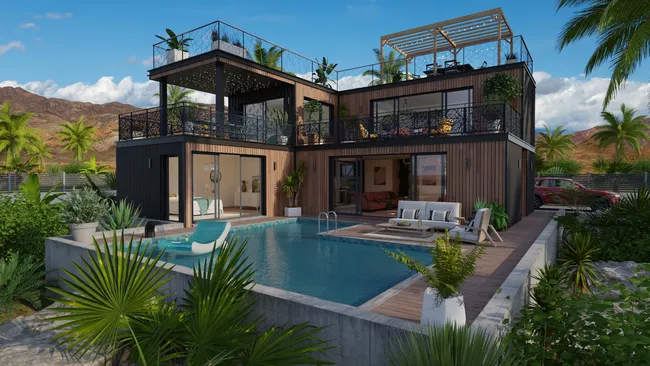
Luxury container homes prove the form can compete with traditional homes at the high end of the market.
Floor-to-ceiling glass, premium stone, multi-container layouts with rooftop pools and high-end appliance packages turn the steel box into a statement property.
For the full luxury playbook, see our luxury container home article.
Tiny Container Home
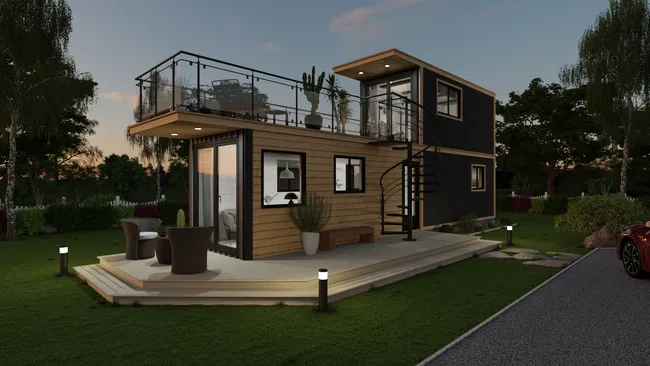
Tiny container homes use a single 20-foot or 40-foot shipping container to deliver affordable, minimum-footprint living without sacrificing comfort.
The tight envelope forces smart storage, clever multi-use furniture, and disciplined material choices, which is exactly why tiny homes sell so well to clients chasing simplicity.
There’s also a strong overlap with diy homes, since adventurous owners often handle the interior fit-out themselves to save money.
For full layout ideas, see our tiny container home article.
Land More Container Home Projects with Cedreo
Container homes are one of the easiest sustainable categories to build a niche in right now, especially if you can show clients what they’re buying before the first weld.
Cedreo gives contractors and builders the tools to present shipping container ideas that land them more jobs:
- Build accurate 2D and 3D floor plans for any container size, lot, or location
- Generate photorealistic renderings of container homes that close the deal
- Test stacking, offsetting, and exterior finishes
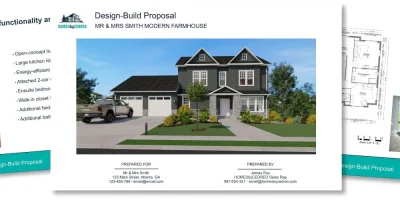
- Deliver polished presentation documents that look like a high-end firm produced them
Container Home Design Software FAQs
What is the best container configuration for a family home?
For most family-sized container homes, two to four 40-foot shipping containers arranged side by side, in an L shape, or stacked work best because they unlock open-concept living and zoned bedrooms.
Cedreo lets you test multiple containers in 3D before settling on one configuration.
How do you create outdoor living space with a container home design?
Cantilevered overhangs, U-shape courtyards, and a roof garden on stacked container homes are the three highest-impact ways to build outdoor living into the design.
Pros can model each option in Cedreo to show clients how the outdoor zones connect to the home’s interior.
What is the difference between an L-shape and U-shape container home?
An L-shape uses two shipping containers placed at a 90-degree angle to zone private rooms away from living spaces, while a U-shape uses three containers to wrap around a central courtyard.
Cedreo’s floor plan tools make it easy to compare both layouts on the same lot.
How do you maximize natural light in a shipping container home?
Cut large openings on the long walls and install large sliding glass doors, large windows, and skylights to flood the interior with natural light.
You can preview how light will land in each room using Cedreo’s day and night rendering options.
How can I show shipping container home ideas to clients before the build starts?
Photorealistic 3D renderings let clients see the finished container house design ideas from interior and exterior angles before any materials are ordered.
Cedreo generates these renderings for you in about 5 minutes and packages them into client-ready presentation documents.
What software do professionals use to try out different container home designs?
Pros use Cedreo to draft 2D plans, build 3D models, and generate photorealistic renderings of container home designs without needing CAD or architecture training.
The cloud-based platform runs on any computer with an internet connection and can be used for virtually any construction or remodeling project.
How do you plan a multi-container home layout before construction?
Use a design tool like Cedreo to draw the site and then place containers in different configurations (side-by-side, L shape, U shape, stacked) to see which layout fits the land and the client’s needs.
Cedreo lets contractors test these arrangements in real time at any location, and adjust based on project needs.
How do you present container home design ideas to win more clients?
Bundle the floor plans, 3D renderings, design options, and a short style description into one polished presentation document so clients can see exactly what they’re buying.
Cedreo lets you go from 2D floor plan to 3D images to branded presentation documents all in a single, easy-to-use software.