Turn Pinterest-perfect outdoor kitchen designs into real outdoor spaces your clients can actually understand, trust, and approve.
Clients scroll through flawless outdoor kitchen designs online, but you’re the one who needs to turn those wish-list photos into a safe, buildable plan that fits a real backyard and a real budget.
Without a clear design process and the right tools, it is hard to choose the right materials, size the layout correctly, and show how the kitchen ties into the existing yard.
This guide walks you through how to design an outdoor kitchen step by step.
This’ll help you control costs, prevent mid-project changes, and present outdoor kitchen ideas that clients can truly visualize as a finished outdoor living space.
Key Takeaways
- A solid outdoor kitchen design starts with understanding the site, utilities, and how your clients really cook and entertain.
- Clear functional zones, safe traffic paths, and weather-resistant materials keep the outdoor kitchen comfortable, durable, and easy to maintain.
- Using an outdoor kitchen design tool lets you test layouts, materials, and appliances in 2D/3D before you touch the backyard or patio.
- With Cedreo, builders, remodelers, and designers can create complete outdoor kitchen designs with photorealistic renderings that help homeowners approve projects faster.
Why trust us? Here at Cedreo, we’ve got 20+ years of experience working with housing pros in the 3D home design space. We know what it takes for contractors to create 3D outdoor kitchen designs that land them more jobs!
See How You Can Create Complete Projects with Cedreo
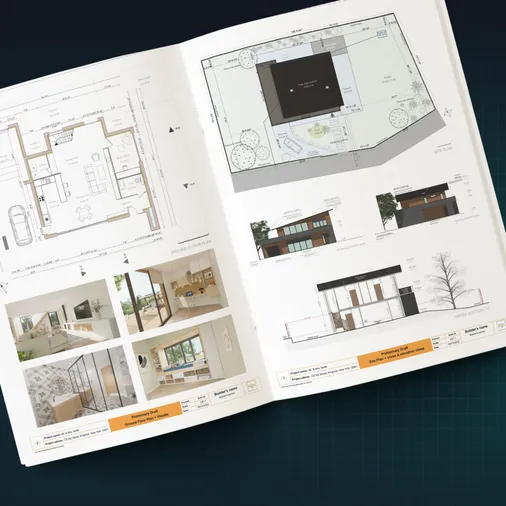
Plans – Get site plans, 2D floor plans, electrical plans, cross sections and elevation views — with all the technical details you need for a comprehensive project overview.
3D Visualizations – Use interior and exterior 3D renderings as well as 3D floor plans to help clients understand the finished project.
Documentation – Manage all your visual documents in one place, so it’s easier to present and sell your projects.
No credit card required, no commitment
What is Outdoor Kitchen Design?
Outdoor kitchen design is the process of planning how cooking, serving, and seating areas work together so people can cook, eat, and entertain comfortably outside.
It covers everything from layout and utilities to materials, appliances, and finishes.
Main Components of Outdoor Kitchen Designs.
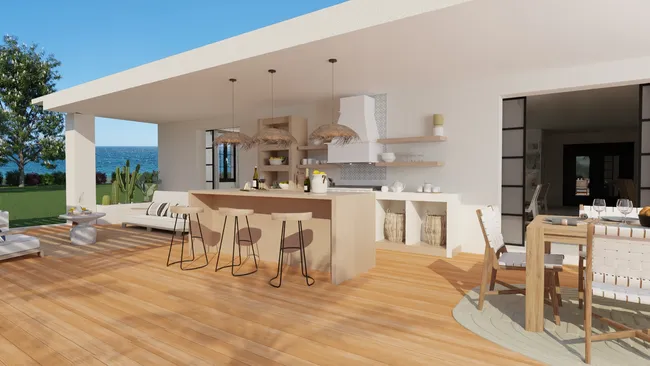
Most outdoor kitchen designs include the same core components that keep the outdoor living space safe, functional, and easy to maintain.
- Cooking zone: grill, side burners, smoker, or pizza oven.
- Prep and serving counters: durable granite, concrete, or marble worktops with enough counter space for dishes and plating.
- Storage and cabinetry: weather resistant materials like stainless steel, teak, or composite cabinets to protect tools and keep the layout uncluttered.
- Water and cleanup: an outdoor sink that makes it easy to wash food, hands, and cooking gear.
- Refrigeration and cold storage: outdoor-rated refrigerators, ice makers, built-in coolers and beverage centers that keep food safe during long parties.
- Power and lighting: electrical lines, outlets, and layered lighting for cooking, task work, and safe movement at night.
- Shelter and flooring: a roof, pergola, or canopy over slip resistant patio or deck surfaces that can withstand sun, rain, and foot traffic.
- Seating and flow: bar seating, dining areas, and clear walkways that keep guests out of the hot cooking zone but still part of the action.
Why Outdoor Kitchen Designs are So Popular
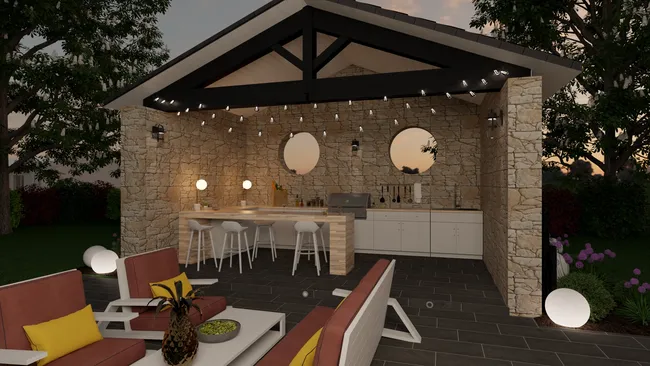
Outdoor kitchen designs are popular because they turn ordinary yards into flexible outdoor living spaces that work for everyday life and long term value.
- Add usable living and dining space without a full home addition.
- Help families cook, eat, and entertain outside more often.
- Create resort-style backyards when paired with a pool or spa.
- Blend natural materials and stainless steel for a high-end, natural look.
- Support multi-season use with shade, shelter, and heat.
- Increase perceived home value and appeal to future buyers.
Design Challenges Unique to Outdoor Kitchens
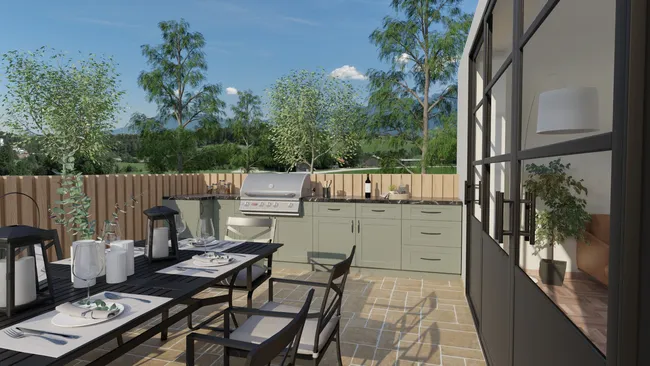
Designing an outdoor kitchen comes with extra challenges.
You need to balance utilities, weather, and client expectations in an unprotected outdoor space.
Challenge: Weather, durability, and materials
- Outdoor kitchens need to handle sun, rain, temperature swings, and grease, so the wrong materials can fail fast.
- Choose weather resistant materials like stainless steel, teak, concrete, and stone, and review manufacturer ratings before purchase.
Challenge: Utilities and hidden lines
- Gas, water, and electrical lines often need trenching across the yard or patio, which adds cost and coordination with trades.
- Plan utility routes early with clear drawings, and coordinate with licensed pros so lines stay safe, code compliant, and out of sight.
Challenge: Space, layout, and flow
- It’s hard to design an outdoor kitchen that fits the backyard, pool, and deck while keeping traffic away from hot cooking zones.
- Use a clear layout that separates cooking, prep, and serving areas, and explore multiple design ideas in software until the flow feels natural.
Challenge: Budget and scope creep
- Clients often add appliances, storage, and features mid-project, so budgets and timelines can quickly slip.
- Set good-better-best options for appliances, counters, and cabinetry up front, and document each choice so any change order is easy to price.
Challenge: Client visualization and expectations
- Many homeowners struggle to picture how the outdoor living space, roof structures, and kitchen elements will look once finished.
- Present 3D views and photorealistic images from an outdoor kitchen design tool so clients can approve the complete layout before you build.
How to Design an Outdoor Kitchen: Step-by-Step Process
Use this simple eight-step workflow to design an outdoor kitchen that fits the site, budget, and everyday life of your clients.
Step 1: Assess the Space and Client Needs
About this step: This step defines how the outdoor kitchen needs to function to meet the needs of your client and site.
How to do it:
- Walk the yard, patio, and deck to measure total outdoor space and note slopes, views, and existing utilities.
- Ask homeowners how they cook and entertain today and what a perfect outdoor living area looks like for their family.
- Discuss how often they plan to use their outdoor kitchen and how many people they expect for a typical party.
- Identify constraints like property lines, doors from indoors, trees, and any pool or spa that the kitchen must work around.
- Set a clear budget range and timeline for the project.
- Take reference photos and sketch existing elements so you can later overlay the new kitchen design.
PRO TIP!
- Instead of making hand drawn sketches that you need to transfer to design software later, you can save yourself a step.
- Draw the site and building outlines directly in Cedreo.
Step 2: Choose the Layout
About this step: This step selects the basic outdoor kitchen layout that fits the space and traffic patterns.
How to do it:
- Compare straight runs, L shapes, U shapes, and island layouts and match each option to the size of the patio or deck.
- Plan clear walking paths between pool, yard, and seating so guests can avoid the hot cooking zone.
- Decide where a roof, pergola, or shade structure might go so posts don’t land in the middle of a counter or main view.
- Confirm that layout choices leave space for utilities, including gas lines, electrical lines, and drainage runs.
Step 3: Plan Functional Zones
About this step: This step organizes the outdoor kitchen into clear work zones so cooking and serving stay smooth.
How to do it:
- Map a simple triangle between grill, sink, and refrigerator so cooks move a short, safe distance between each point.
- Separate hot cooking zones from cooler prep, serving, and seating zones so several people can use the kitchen at once.
- Give each appliance at least 12 to 18 inches of counter space on one or both sides for trays, spices, and hot dishes.
- Place trash, recycling, and cleaning storage near the sink so cleanup doesn’t interrupt cooking.
- Reserve a long, open counter run or raised bar for buffet style serving and casual entertaining.
Step 4: Select Appliances and Features
About this step: This step defines the cooking equipment and features that support the way your clients like to cook and relax.
How to do it:
- Start with core appliances like grill, side burner, sink, and outdoor rated refrigerator, then add extras such as a pizza oven, smoker, or beverage center.
- Size each appliance to the typical group size so you don’t overspec a huge grill or undersize a key piece for large gatherings.
- Choose appliances built from stainless steel and other weather resistant materials.
- Add convenience features like warming drawers, ice makers, and pull out trash where they truly enhance everyday life instead of just adding cost.
Step 5: Design Counter and Storage Layout
About this step: This step fine tunes counters, cabinets, and storage so the outdoor kitchen feels organized and easy to clean.
How to do it:
- Calculate total linear feet of counter space needed for prep, cooking, and serving based on how your client uses their indoor kitchen today.
- Choose durable counter materials such as granite, concrete, or porcelain that easily resist stains, heat, and outdoor elements.
- Use a mix of base cabinets, deep drawers, and tall storage for cookware, dishes, small appliances, and cleaning supplies.
- Keep frequently used tools near their zones, such as grill tools and spices near the grill and glassware near the beverage center.
- Plan dry storage away from sink splashes and open edges so cabinetry and contents stay protected.
PRO TIP! With Cedreo, you can drag and drop cabinets and counters into place, then instantly review clearances and storage capacity in 3D before you order anything.
Step 6: Plan Lighting
About this step: This step keeps the outdoor kitchen safe and inviting after dark.
How to do it:
- Layer task lighting over the grill, sink, and main counters so cooks can see food clearly at night.
- Add ambient lighting with wall sconces, string lights, or recessed fixtures to create a warm, natural look across the outdoor living space.
- Reduce trip hazards by planning step lights and path lights around changes in level, such as deck edges and stairs.
- Use dimmers and separate zones so clients can run bright light for cooking and softer light for rest and conversation after the meal.
Step 7: Select Materials and Finishes
About this step: This step locks in the materials and finishes that give the outdoor kitchen its style and durability.
How to do it:
- Choose a structural base system, such as masonry block, steel framing, or modular outdoor cabinets.
- Ideal countertop materials are granite, concrete, tile, or marble.
- Specify cabinets and doors in stainless steel, powder coated metal, or teak that can withstand sun, rain, and temperature swings.
- Pavers or stamped concrete look nice and are generally safe underfoot when wet.
- Coordinate colors and textures with the home’s exterior, nearby pool or spa, and the rest of the outdoor living area.
Step 8: Create the Design Using Software
About this step: This step pulls every decision into a complete digital plan that you can refine with your clients.
How to do it:
- Choose design software that lets you work in both 2D and 3D.
- Rebuild the site with accurate property lines, house walls, deck, pool, and major landscaping so the design matches the real outdoor space.
- Place cabinets, appliances, counters, and seating according to the layout and zone plan, then adjust sizes until circulation feels right.
- Generate realistic views and photos so homeowners can explore the kitchen from different angles and understand finishes and materials.
- Export plans and images to share with trades so everyone sees utility locations, critical dimensions, and key design elements.
PRO TIP! Use Cedreo to create complete outdoor kitchen designs from scratch in one platform, with 2D plans, 3D floor plans, and photorealistic renderings.
Outdoor Kitchen Design Ideas
Steal these outdoor kitchen design ideas to turn a plain backyard or patio into an outdoor living space that becomes the talk of the neighborhood.
Wood-Fired Pizza Oven Station
Why it’s popular: A wood-fired pizza oven turns an outdoor kitchen into a destination for family pizza nights and casual parties.
Tips for adding to your designs:
- Place the oven at the edge of the cooking zone so guests can watch without blocking the grill or main prep space.
- Add a nearby granite or concrete counter for dough stretching, toppings, and serving hot pizza straight from the oven.
Built-In Smoker Zone
Why it’s popular: A dedicated smoker gives serious cooking fans low-and-slow options that make the outdoor living space feel like a backyard smokehouse.
Tips for adding to your designs:
- Tuck the smoker slightly downwind of the main patio so smoke drifts away from seating, pool, and doors to the indoors.
- Plan extra storage cabinetry for wood, charcoal, and tools.
- Include a nearby sink and counter space so clients can prep, rest, and slice meat without carrying heavy trays across the yard.
Multi-Surface Cooking Island
Why it’s popular: Multiple cooking surfaces let homeowners grill, sear, and sauté outside so the outdoor kitchen can handle full meals.
Tips for adding to your designs:
- Combine a main grill, flat-top, and side burners on one island layout and keep at least 12 inches of counter between each appliance.
- Use a wide island counter so there’s room for guests to sit, serve, and rest drinks during a party.
Fire Pit Lounge Area
Why it’s popular: A fire pit extends the outdoor kitchen season and creates a cozy spot for rest, conversation, and late-night desserts.
Tips for adding to your designs:
- Position the fire feature a safe distance from the main kitchen design but close enough that serving snacks and drinks stays easy.
- Plan built-in benches or deep lounge seating that faces the fire, yet leaves clear walking paths back to the house and deck.
Outdoor Kitchen Design Software and Tools
Use design software to test outdoor kitchen ideas and show clients clear visuals before you touch the backyard, patio, or deck.
Why Use Outdoor Kitchen Design Software
Good outdoor kitchen design software turns rough sketches into a complete outdoor kitchen layout you can review with homeowners and trades.
- Add the existing house, yard, pool, and outdoor space so you see how the kitchen design fits the whole outdoor living area.
- Place grills, refrigerators, sinks, and cabinets to catch safety and functionality issues early.
- Test several design ideas for the same outdoor kitchen, then compare materials, appliances, and budget with your clients.
- Create 3D views and photorealistic photos so homeowners can explore the finished outdoor living space from every angle.
- Save reusable templates for your favorite outdoor kitchen designs so you can design an outdoor kitchen faster on the next project.
Best Outdoor Kitchen Design Software
Here are three of the top options.
Cedreo – Top Pick
About Cedreo: Cedreo is 3D home and outdoor living design software built for builders, remodelers, and designers.
It lets you design a full property, from the home’s interior to the outdoor kitchen, in one simple platform.
You create 2D plans, 3D floor plans, and photorealistic renderings that help clients say yes to your outdoor kitchen designs.
- Design the entire outdoor living space, including patios, decks, pool areas, and outdoor kitchens, so every element works together.
- Drag and drop outdoor cabinets, grills, refrigerators, sinks, and furniture with accurate dimensions into your layout.
- Switch from 2D plans to 3D floor plans and high-quality renderings in minutes to review style, materials, and lighting with clients.
- Test different materials like concrete, stone, wood, and stainless steel.
- Share images and 3D views in branded project presentations.
SketchUp

About SketchUp: SketchUp is a flexible 3D modeling tool that many designers and architects use for detailed outdoor kitchen models.
It gives you fine control over shapes and materials for custom outdoor space projects.
- Model unique outdoor kitchen elements, such as custom concrete islands, curved counters, or complex pergola roofs.
- Pull grills, appliances, and cabinetry from online 3D libraries.
- Add rendering and documentation plug-ins (for extra cost) to create more realistic views and technical drawings for your outdoor kitchen.
- The manual modeling workflow and learning curve can be a challenge if you want quick outdoor kitchen ideas for busy projects.
Chief Architect
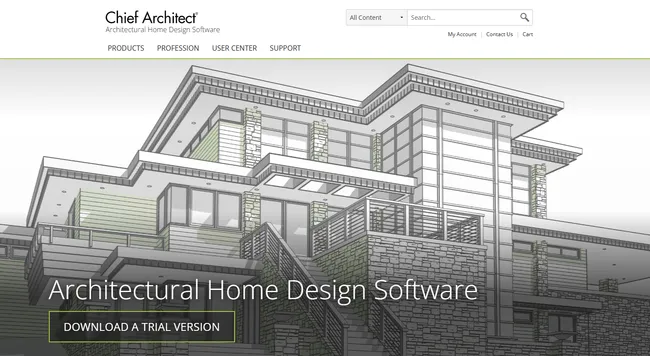
About Chief Architect: Chief Architect is professional home design software used to create detailed plans for homes, additions, and outdoor living areas.
It supports advanced framing, documentation, and kitchen design tools.
- Produce detailed plans where the outdoor kitchen, deck, and patio tie into the home’s structure and envelope.
- Coordinate outdoor cabinets, roofs, and appliances with the rest of the house.
- Generate elevations and 3D views.
- Because it is complex and designed for large design firms, it may be more than many small builders or residential contractors need for simple outdoor kitchen design.
Bring Outdoor Kitchen Designs Together with Cedreo
Cedreo helps contractors turn rough outdoor kitchen ideas into clear, buildable designs that clients understand and approve faster.
- Design the entire outdoor living space in one project.
- Drag and drop appliances and cabinets to test layouts before you build.
- Show clients 3D floor plans and photorealistic renderings.
- Share plans and visuals in polished project presentations.
Outdoor Kitchen Design FAQ
There’s no single best layout since the right design depends on your backyard, patio, and how you cook and entertain.
Regardless of the specific layout, it’s always good to aim for a clear work triangle between grill, sink, and refrigerator/prep area.
Cedreo is one of the best outdoor kitchen design software options for pros because it combines fast 2D plans, 3D floor plans, and photorealistic views in an easy interface.
Other tools like SketchUp and Chief Architect can also model outdoor kitchen ideas, but they often require more time, training, and manual work to get client-ready images.
Face the shaded outdoor kitchen and bar toward the pool with a simple grill–sink–prep layout, enough counter space, and safe, non-slip circulation.
Group areas into wet, social, and storage zones, keep sightlines to the pool open, and use durable outdoor materials.
Most outdoor kitchen designs start with a built-in grill, outdoor rated refrigerator, and sink for basic cooking, chilling, and cleanup.
Many homeowners also add side burners, a pizza oven, ice maker, or beverage center so the outdoor space can support full meals and large parties.
Choose weather resistant materials like stainless steel, stone, concrete, porcelain, and teak that can withstand sun, rain, grease, and temperature swings.
For counters, granite, concrete, or porcelain slabs perform well, and for cabinetry look for stainless or composite outdoor cabinets.
Simple outdoor kitchen design ideas might come together in a few hours, while complex outdoor living areas with pools, roofs, and custom cabinets can take several days to refine with input from clients.
The actual work of drawing the kitchen design takes less than 2 hours with software like Cedreo.