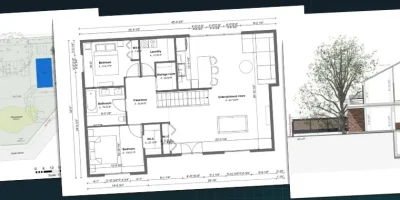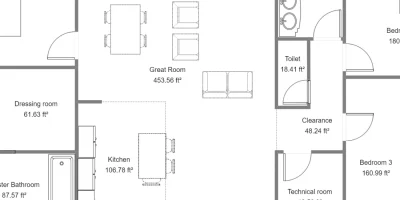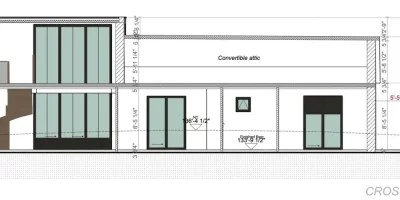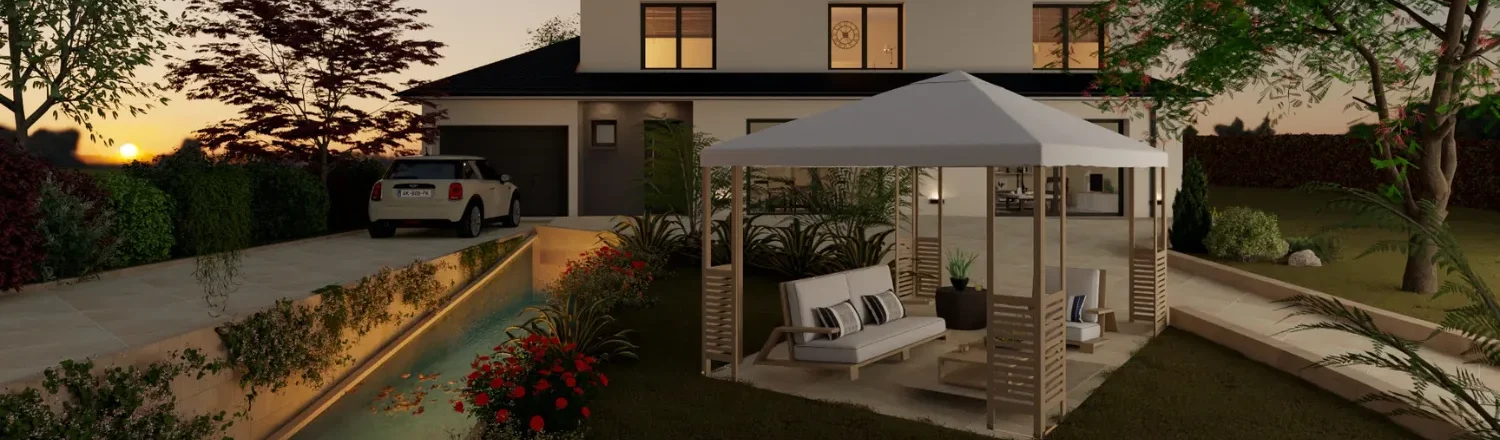
Close more landscaping jobs with client-ready designs you can finish today on macOS.
Finding the best landscape design software for Mac can be tough.
Many professional designers use Apple computers, but popular landscape design software is still too often Windows-only.
Since tools like VizTerra, Realtime Landscaping Pro, or Lands Design won’t run on macOS, you might be tempted to buy a second computer, pay for a virtual machine, or waste hours on clunky workarounds.
Basic home design software can look slick, but it often skips landscape essentials like terrain modeling, plant libraries, and hardscape tools, so your “pretty” plan fails the moment you price and build it.
Free Mac landscape apps can be even worse because the output looks amateur, and that can stall approvals or push clients to a competitor.
Even cloud tools that claim Mac compatibility can crash or crawl on macOS, and a frozen screen in a client meeting can kill trust fast.
This 2026 guide shows you the best landscaping software for Mac so landscapers, contractors, and designers like you can present with confidence and close outdoor projects faster.
Key Takeaways
- The best landscape design software for Mac in 2026 is either Mac-native or cloud-based, so you don’t waste time fighting Windows-only tools.
- Look for strong site planning and terrain modeling so your patios, slopes, and retaining walls match real-world elevations.
- Choose software with a solid plant library, hardscape tools, and clean exports (PDF, PNG, JPEG, and DWG/DXF if you work with CAD teams).
- Cedreo helps builders, remodelers, and designers create 2D site plans and polished 3D presentations fast on any Mac because it runs 100% in the browser.
Why trust us? Here at Cedreo, we have more than 20 years of experience working with housing professionals in the home design software space, so we know what it takes to create landscape designs that help contractors win more clients.
See How You Can Create Complete Projects with Cedreo
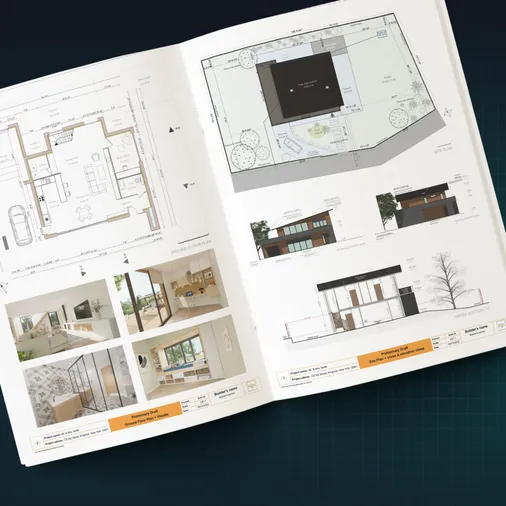
Plans – Get site plans, 2D floor plans, electrical plans, cross sections and elevation views — with all the technical details you need for a comprehensive project overview.
3D Visualizations – Use interior and exterior 3D renderings as well as 3D floor plans to help clients understand the finished project.
Documentation – Manage all your visual documents in one place, so it’s easier to present and sell your projects.
No credit card required, no commitment
Why Mac Compatibility Matters for Landscape Designers
Most pro landscape design tools still start on Windows first, so Mac users often get stuck with fewer options or extra steps.
You see it in real shops when teams mention tools like VizTerra, Realtime Landscaping Pro, Lands Design, or DynaSCAPE that many Mac users cannot run natively.
Why this Affects your Schedule
If the software fights your Mac, you lose time you should spend selling, designing, or building.
Here is what usually goes wrong:
- You can’t install the program at all.
- Updates break your setup and you spend an afternoon troubleshooting.
- File sharing turns messy when a partner uses Windows.
- 3D views lag during a client meeting, so the design feels less believable.
Three Mac Software Categories
Most Mac-friendly options land in one of these buckets.
1) Native Mac Applications
These install on macOS and run like any other Mac app.
Examples include:
- Live Home 3D
- Punch! Landscape Design
- SketchUp Pro or Studio
2) Cloud-based or Browser Platforms
These run in a browser, so they work the same on Mac or PC.
Examples include:
- Cedreo
- SmartDraw
- SketchUp for Web
3) Windows Software with Workarounds
These are Windows-first tools that you run on a Mac using a workaround.
Common workarounds include:
- A virtual machine.
- Remote access to a Windows computer.
- Keeping a separate Windows laptop.
Cloud-based vs Desktop App Trade-offs
Cloud tools fit most Mac users because they remove the compatibility headache.
Cloud-based (Best for Most Mac Users)
Pros:
- No compatibility issues.
- Work from anywhere.
- Updates happen automatically.
Cons:
- You need a reliable internet connection.
- Most tools use a subscription plan.
Native Mac Desktop Apps
Pros:
- Works offline.
- Can feel faster on a powerful Mac.
- Tighter Mac file handling.
Cons:
- Updates can be manual.
- You can feel tied to one Mac unless you sync files with iCloud.
PRO RECOMMENDATION: Go cloud-based unless you often design where internet is weak or unavailable.
Essential Features in the Best Landscaping Software for Mac
The right Mac-friendly tool should help you measure faster, design smarter, and present like a pro.
True Mac Compatibility
Why important: If the software is not Mac-native or cloud-based, you risk slow performance, broken updates, and wasted setup time.
What to look for:
- A native macOS app or a browser-based platform that runs the same on Mac and PC.
- Smooth 3D performance on Apple silicon (M1, M2, M3).
- Frequent updates that do not require complicated installs.
- An intuitive interface regardless of the operating system you’re using.
Site Plan and Terrain Modeling
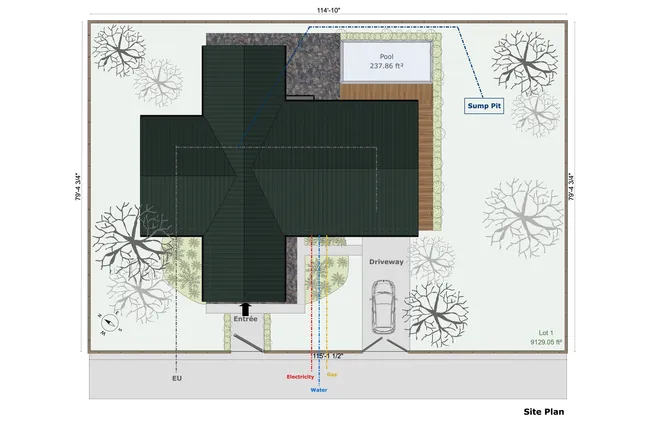
Why important: Good outdoor work starts with accurate dimensions and realistic grades.
What to look for:
- Tools to draw property lines, setbacks, and hardscape footprints.
- Terrain elevation inputs for slopes, berms, and retaining wall changes.
- Contour or grade controls that help you visualize drainage paths.
- A clear way to label measurements for crews and subs.
3D Visualization and Retina-ready Rendering
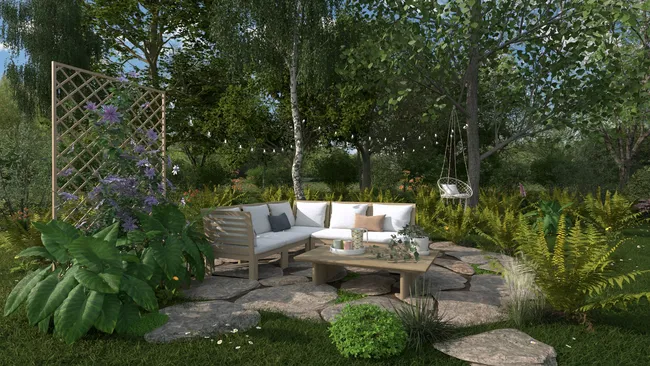
Why important: Clients buy what they can see, and Mac screens demand clean, high-resolution visuals.
What to look for:
- 3D views that stay sharp on Retina displays.
- Fast rendering or live previews for quick design changes.
- Lighting and shadow controls for day and night looks.
- Multiple camera views (aerial, eye-level, detail shots).
Plant and Object Libraries
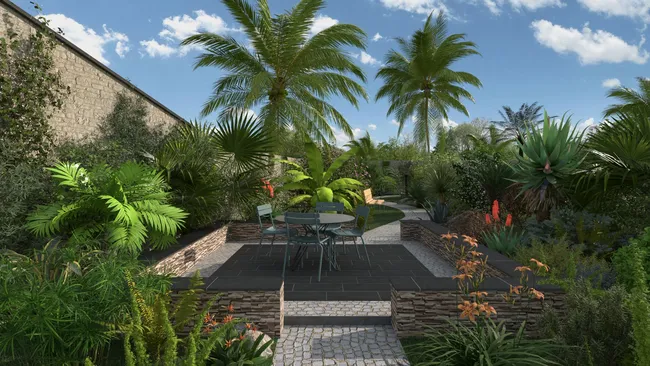
Why important: An extensive library of plants and outdoor objects helps you design faster and sell the full vision.
What to look for:
- A plant library that lets you filter by type and size.
- Hardscape elements like pavers, gravel, stone, edging, and walls.
- Outdoor features like pergolas, lighting, furniture and swimming pools.
- Custom objects or texture swaps when you need a specific brand look.
File Format Compatibility
Why important: You will share plans with clients, installers, and sometimes a CAD team.
What to look for:
- Export to PDF, PNG, and JPEG for easy client sharing.
- Import of JPEG, PNG, and PDF so you can use iPhone site photos.
- DWG/DXF support if you need CAD handoff.
- Enterprise plans for team collaboration on shared plans.
9 Best Landscape Design Software for Mac in 2026
Now that you know the key features to look for, here are the best landscape design programs for Mac in 2026, split into cloud tools and native Mac installs.
Cloud-based (runs in a browser):
- Cedreo
- Planner 5D
- SmartDraw
Native Mac install (desktop app):
- SketchUp
- Chief Architect
- Live Home 3D
- Punch! Landscape Design
- iScape
- Garden Planner
Star ratings are relative scores based on each tool’s rendering approach and reported learning curve, so you can compare options fast.
| Software | Best for (user type) | Site plan creation & terrain modeling | Product library | 3D quality | Ease of use | Price range | Learning curve | Professional presentations |
| Cedreo | Builders, remodelers, and designers who need fast conceptual designs | Advanced | Large | ★★★★★ | ★★★★★ | $$ | Hours | Yes |
| Planner 5D | Fast concept visuals for light residential projects | Basic (visual-only grading) | Average | ★★★★☆ | ★★★★★ | $ | Hours | No |
| SmartDraw | Quick 2D layouts for permits, HOAs, and simple planning | Basic (2D only) | Average (templates) | ☆☆☆☆☆ | ★★★★★ | $ | Hours | No |
| SketchUp Pro | Design-build pros doing custom, high-end hardscapes | Advanced (extensions often needed) | Large | ★★★★★ (with V-Ray/Studio) | ★★☆☆☆ | $$ | Weeks+ | Yes (With add-ons) |
| Chief Architect | Contractors who need engineering-grade docs and takeoffs | Advanced | Large | ★★★★☆ | ★★☆☆☆ | $$$ | Weeks+ | Yes |
| Live Home 3D | Mac-native design at a low cost | Moderate | Average | ★★★☆☆ | ★★★★☆ | $ | Days | No |
| Punch! Landscape Design | Budget-minded users who want a one-time purchase | Moderate | Average | ★★★☆☆ | ★★☆☆☆ | $$ | Days | No |
| iScape | On-site sales presentations with before-and-after visuals and AR walk-throughs | Basic (photo overlay) | Large | ★★★★☆ | ★★★★★ | $$ | Hours | Yes |
| Garden Planner | Scaled 2D garden layouts, planting maps, and plant lists | Moderate (2D layout) | Medium | ★★☆☆☆ | ★★★★★ | $ | Hours | Yes (limited) |
If you want the fastest path to a professional landscape design presentation on a Mac, start with Cedreo.
1. Cedreo – Top Choice!
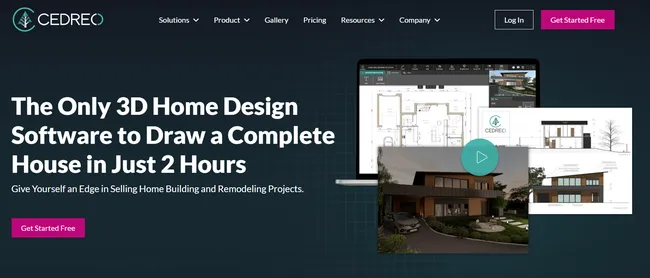
Best for: Professional landscape designers who want fast, client-ready outdoor concepts on any Mac.
Why it’s #1 for landscape design for Mac users: Cedreo is 100% online, so it runs in your browser and works the same on Mac or PC.
You do not need a Windows workaround, a virtual machine, or extra IT help to get started.
You can build a clean site plan, add landscaping elements, and generate photorealistic exterior visuals in one workflow.
You also get polished presentation documents (combining 2D & 3D views, notes & company branding) that help clients say yes faster.
When to Choose Cedreo
Choose Cedreo when you prioritize accurate terrain modeling, fast site layouts, and selling the project with 3D visuals without getting stuck in a complex drafting process.
It is a strong fit when you want to move from measurements to a professional presentation in a single working session.
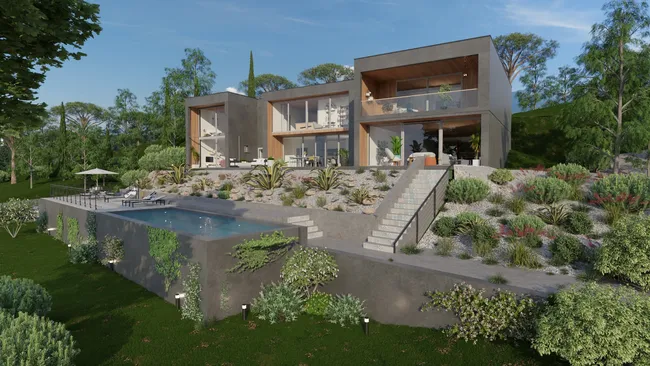
Complete Site Planning
Use these tools to start with real site measurements and terrain conditions.
- Draw property boundaries and setbacks.
- Import a site plan or survey (JPEG, PNG, PDF, DWG, or DXF) to draw over.
- Model terrain with elevation points and lines for flat or sloped lots.
- Design exterior spaces like driveways, walkways, patios, and pathways.
- Add outdoor elements like decks, fences, hedges, gardens, and pools.
Extensive Landscape Library
Cedreo’s library helps you produce consistent, client-friendly visuals with realistic exterior elements.
- Use a 3D library with 8,500+ items, including many outdoor objects.
- Drop in trees, plants, and landscaping decor to match the lot.
- Build hardscapes with materials like pavers, stone, concrete, and gravel.
- Add outdoor features like pergolas, fire pits, furniture, and water elements.
- Place fences, gates, retaining walls, and other boundary details.
3D Visualization
Cedreo 3D visuals make it easier for clients to understand and approve designs.
- Generate photorealistic exterior renderings with realistic lighting in less than 5 minutes.
- Show day and night atmospheres to sell lighting and curb appeal.
- Capture multiple camera angles like aerial, eye-level, and close-up detail.
- Create before-and-after views that highlight the transformation.
- Export client-ready presentation documents with site plans and renderings for iPad meetings.
Complete Design Workflow
Here’s what a typical Cedreo landscape presentation workflow looks like.
- Import a survey or draw from measurements (10 min).
- Add elevations and shape the terrain (10 min).
- Place the house to set context and scale (25 min).
- Lay out hardscapes like patios, walkways, and driveways (20 min).
- Add landscaping elements like plants, trees, fences, and outdoor features (25 min).
- Apply materials like pavers, stone, and mulch (15 min).
- Request renderings from key angles (less than 5 minutes per view).
- Build a branded presentation PDF with plans and images (10 min).
Total time: 2 hours on macOS
Pricing: $$
2. Planner 5D
Best for: Quick landscape concepts and simple 3D visuals when you want an easy tool on Mac.
Overview: Planner 5D runs in the browser, so it works well for Mac users who want a fast start.
It shines for early-stage layouts and client-friendly images, especially when you don’t need deep grading or construction detail.
Higher tiers add stronger export options when you need to hand off files.
Key features:
- Browser-based editor that runs on Mac without installs.
- Drag-and-drop objects for outdoor layouts and basic yard concepts.
- Automatic plan recognition tools that speed up early layout work.
- 3D visualization with higher-quality rendering options on paid tiers.
- Export options that can include CAD-friendly formats on higher plans.
Pros:
- Very easy to learn, even for first-time users.
- Good for fast client presentations and mood-setting visuals.
- Works anywhere you have a browser, so it is Mac friendly by default.
- Useful when you need a quick concept before you price the build.
Cons:
- Terrain and grading tools are limited compared to pro contractor platforms.
- Object libraries can feel generic if you need brand-specific products.
Pricing: $
3. SmartDraw
Best for: Fast 2D landscape layouts for and simple planning on a Mac.
Overview: SmartDraw is a cloud-first diagramming tool, not a 3D landscaping software.
It is great when you need clean, scaled drawings fast, but it will not sell a design with photorealistic renderings.
Think of it as a utility tool for paperwork, not a full design studio.
Key features:
- Intelligent formatting that snaps and aligns objects automatically.
- Large template library for landscape layouts, decks, patios, and site diagrams.
- Cloud access so you can work from Mac or PC without special installs.
- Quick scaling and labeling tools for clean 2D output.
- Simple sharing for clients and review partners.
Pros:
- Fast for basic site sketches and layout diagrams.
- Templates save time when you repeat common outdoor layouts.
- Easy for non-designers to learn.
Cons:
- No 3D tools, so it is not built for client wow-factor.
Pricing: $
4. SketchUp

Best for: Design-build pros who want flexible 3D modeling on a Mac for custom hardscapes and outdoor structures.
Overview: SketchUp Pro is a powerful tool for 3D design and installs directly on macOS, so it runs as a native desktop program on your Mac.
If you need quick access from another machine, SketchUp also offers a browser-based option called SketchUp for Web.
It is a go-to tool for patios, pergolas, outdoor kitchens, steps, and detailed site elements because you can model almost anything when you know the workflow.
For landscape work, many teams lean on extensions for planting objects, grading helpers, and material workflows, and they use LayOut when they need 2D sheets.
If you want presentation-grade images, you will usually pair SketchUp Pro with a rendering option (like V-Ray) depending on your plan.
Key features:
- Desktop 3D modeling for accurate hardscape footprints and custom site elements.
- Sandbox tools for shaping terrain and visualizing slopes.
- LayOut for 2D pages, scaled views, and annotated sheets.
- Large extension ecosystem for landscaping objects, materials, and workflow add-ons.
- Broad import and export support for concept sharing and collaboration.
Pros:
- Extremely flexible for custom details like stairs, built-ins, and outdoor structures.
- Big community and lots of training content.
- Strong presentation potential when paired with the right rendering setup.
- Flexible subscription options, but cheaper versions don’t include all features.
Cons:
- Landscape-specific needs (planting plans, irrigation, grading analysis) often require extensions or additional tools.
- Learning curve can be steep if your team is new to 3D modeling.
Pricing: $$
5. Chief Architect
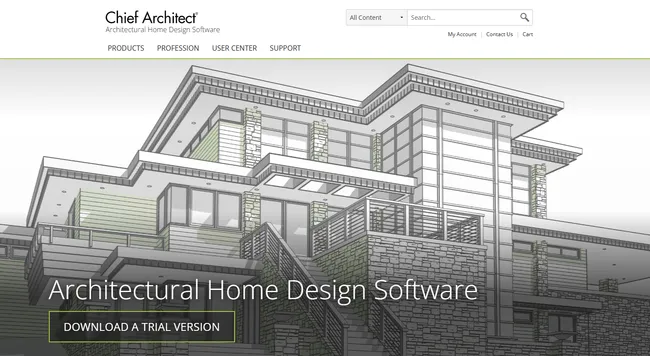
Best for: Contractors who need advanced terrain grading, accurate takeoffs, and full construction documentation on a Mac.
Overview: Chief Architect is a residential BIM platform, and it is one of the most capable options when you need build-level accuracy.
It handles detailed plans, material lists, complex projects, and serious terrain work, so it fits design-build firms that estimate, engineer, and build what they draw.
You will pay more and train more, but you get deeper control.
Key features:
- Advanced terrain tools that calculate cut and fill volumes for grading and excavation planning.
- Detailed layout sheets for construction documents with pro-level annotation and scaling.
- Plant database (4,000+ plants) with data like hardiness zone and water requirements.
- Automatic material lists that support job costing for decks, concrete, and framing.
- Improved 2026 visualization with real-time ray tracing on supported hardware.
Pros:
- Strongest option here for build-ready documentation.
- Cut/fill tools help you estimate excavation costs with less guesswork.
- Smart automation speeds up complex modeling once you learn the workflow.
Cons:
- Very steep learning curve, especially for the terrain modeling process which is very complex.
- Even once you learn the terrain tools, it still takes seasoned designers many hours to create professional landscape designs.
- Much higher cost than visualization-first platforms.
Pricing: $$$.
6. Live Home 3D
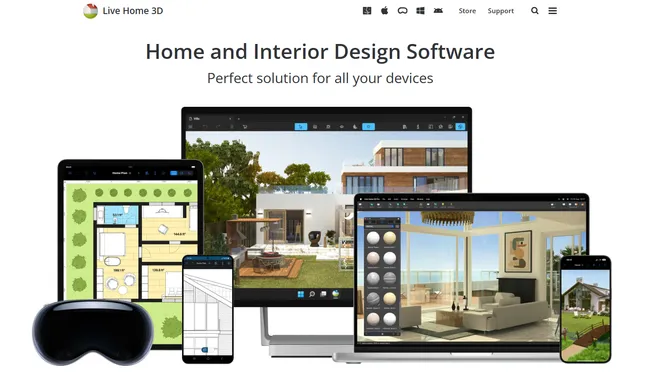
Best for: Mac-first contractors who want solid 3D visuals and an iPad-to-Mac workflow.
Overview: Live Home 3D is built for the Apple ecosystem (Mac, iOS, and iPadOS), so it feels smooth on modern Macs.
It is a strong fit for small teams that want to own the software and create clean outdoor concepts without paying a big monthly bill.
Key features:
- LiDAR integration that lets you scan a backyard with an iPad Pro to create a 3D base model.
- Mac-native ray tracing with AMD Radeon ProRender for photorealistic visuals.
- Pro terrain tools that include Elevation Lines, Pits (for pools), and Pathways.
- Apple ecosystem continuity so you can start on iPad during a site visit and finish on your Mac.
- Native performance that takes advantage of Apple’s graphics stack for smoother navigation.
Pros:
- True Mac-native performance and a smooth interface on Apple hardware.
- Strong value if you prefer a one-time purchase instead of subscriptions.
- Great for quick client visuals, walkthrough-style views, and early design decisions.
Cons:
- No cut/fill calculations for grading and excavation planning.
- Limited construction level documentation.
- No professional project presentation document tools.
Pricing: $
7. Punch! Landscape Design
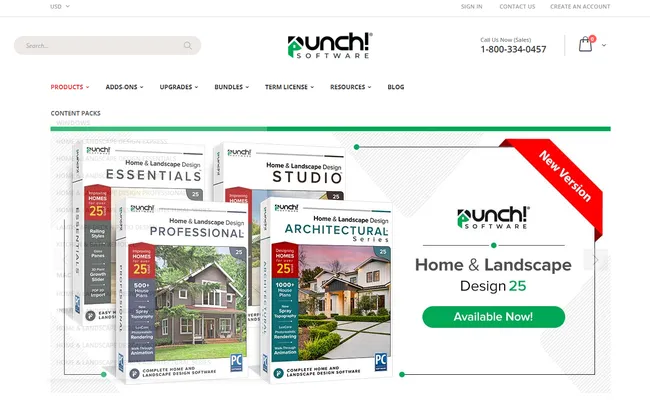
Best for: Budget-conscious users who want a one-time purchase and can live with an older workflow.
Overview: Punch! Landscape Design is a legacy desktop program that still appeals to buyers who don’t like subscriptions.
It is best for basic landscape layouts and simple 3D concepts when you do not need advanced grading calculations or deep construction documentation.
Key features:
- One-time purchase model on the Architectural series.
- Lower-cost Essentials option for basic needs.
- Desktop workflow that keeps projects stored locally.
- Tools for basic landscape layouts, patios, paths, and yard elements.
- 3D views that help clients understand the overall concept.
Pros:
- No required subscription for the Architectural series.
- Works for basic landscape layouts when you want to keep costs down.
Cons:
- Feature depth is limited compared to contractor-grade platforms.
- Dated interface compared to modern design software.
Pricing: $$
8. iScape
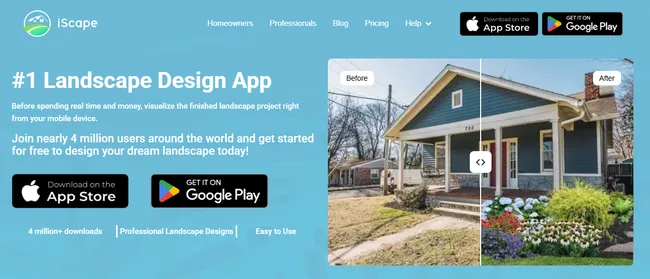
Best for: On-site sales presentations with before-and-after visuals and AR walk-throughs.
Overview: iScape is a mobile-first landscape design app that now runs on Mac, and it is built for fast visualization.
Instead of drafting from measurements, you start with a photo (or a flat image of a site plan) and layer plants, pavers, and outdoor features into the scene.
On compatible devices, Augmented Reality can place 3D assets true-to-scale so clients can walk the idea in real space.
Key features:
- Photo-based workflow with drag-and-drop landscape assets.
- Augmented Reality walk-throughs for real-time, true-to-scale previews.
- Virtual pen and texture tools for beds, mulch, gravel, turf, and paving fills.
- Magic eraser and cut-out tools for renovation concepts.
- Sun slider to visualize shadows for planting placement.
- Proposal tool on paid tiers that can generate a PDF proposal with itemized pricing.
Pros:
- Very low learning curve.
- Strong client buy-in because the visuals match the real yard.
- Fast live iteration during consultations.
Cons:
- Not a precision drafting or measuring tool.
- No true terrain modeling, contour controls, or cut/fill calculations.
- No native DWG/DXF export, so CAD handoff is limited.
Pricing: $$
9. Garden Planner
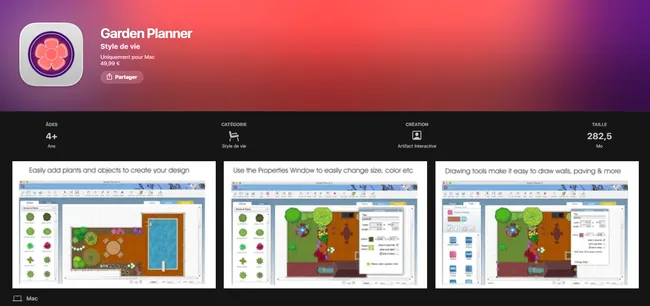
Best for: 2D garden layouts, planting maps, and plant lists that crews can follow.
Overview: Garden Planner is a landscape drafting tool built around a top-down, grid-based workflow.
You sketch beds, patios, and paths with simple shapes, then drag plant symbols onto the plan.
Each symbol can carry data (name, size, quantity), which helps you produce plant lists and schedules.
It also includes a basic 3D view for quick spatial checks, even though it is not photorealistic.
Key features:
- Grid-based drawing with adjustable scale for accurate layout work.
- Drag-and-drop library with editable plant details and custom symbols.
- Automatic plant lists and planting schedules.
- Vegetable bed planning tools, including square foot gardening and crop rotation support.
- Paving and fence tools that repeat patterns cleanly along paths.
- Exports like JPEG/PNG plus CSV plant lists for Excel workflows.
Pros:
- User-friendly
- Great for planting documentation and installation maps.
- Easy to revise as spacing and quantities change.
Cons:
- Visual style is schematic, not photorealistic.
- Limited site engineering tools like grading and drainage.
- No native DWG/DXF export (workarounds required).
Pricing: $
The Best Landscaping Software for Mac & Your Projects

Choosing the right Mac landscape tool comes down to how fast you need results and how polished your presentations must look.
If you want to win jobs with clear site plans, terrain modeling, and photorealistic exterior renderings, Cedreo is a strong fit because it runs in your browser on any Mac.
- Site plan and survey import
- Intuitive terrain modeling tools
- Fast renders + presentation docs
Landscape Design Software FAQs
What is the best landscape design software for Mac?
The best landscape design software for Mac depends on how you work, but many pros choose a cloud-based tool so they can design and present without Windows workarounds.
If you want fast site plans and client-ready 3D visuals on a Mac, Cedreo is a strong pick because it runs in your browser.
Does garden design software work on Mac?
Yes, many landscape design tools work on Mac, either as native macOS apps or as browser-based platforms like Cedreo.
The key is to confirm you are not buying a Windows-only program that requires extra setup.
Can I run Windows landscape software on Mac?
Technically, yes you can, but you usually need a workaround like a virtual machine or other compatibility layers.
These setups can add cost and headaches, so many Mac users choose cloud-based software like Cedreo instead.
What is the best garden design software for Mac?
For professional designers who need to visualize a garden and sell stunning outdoor spaces, Cedreo browser software is a top choice because it helps you create designs fast with strong terrain modeling tools and a customizable library.
If you are a home user testing ideas, start with a landscape design app that offers a free version or free account, then upgrade only when you need advanced features.
What key features should you look for when choosing landscaping software for Mac?
Pick the right landscape design software (like Cedreo) with drag and drop functionality, terrain modeling capabilities, a strong library, and simple navigation so the tool stays user friendly when you’re under deadline.
For better client buy-in, look for high-quality 3D views, plus tools for making your ideas come to life in project presentations.