Most builders don’t lose deals on price or quality. They lose them to invisible friction in the sales process. Here’s how to prevent that.
Most home builders don’t lose projects because their work isn’t good enough or their price is too high.
They lose them to friction.
The first response came an hour too late. The buyer was never qualified. The partner with veto power never sat in a meeting. Or the follow-up read like “just checking in.”
None of that shows up on a spreadsheet, but it quietly stretches your sales cycle and bleeds revenue from your construction business.
This guide gives general contractors and home builders five process changes that help speed up sales for builders without spending another dollar on leads.
Plus the four numbers that tell you whether your sales process is actually working.
Key Takeaways
- Home builders rarely lose deals solely on price or quality, they lose them to invisible friction in the sales process, like slow responses and unqualified buyers.
- Qualifying budget, timeline, and decision makers before you design anything protects your pre-construction time and shortens the sales cycle.
- Engaging the co-decision maker early, before the proposal, is one of the most overlooked ways to keep a new home sale from stalling.
- Cedreo lets builders create a client-ready 3D rendering and floor plan in under two hours, so the first serious meeting becomes a visual conversation that moves buyers to commit.
Why trust us? Here at Cedreo, we’ve got 20+ years of experience working with housing pros in the home design space. So we know what it takes for builders and contractors to create project designs that help them land more clients!
See How You Can Create Complete Projects with Cedreo
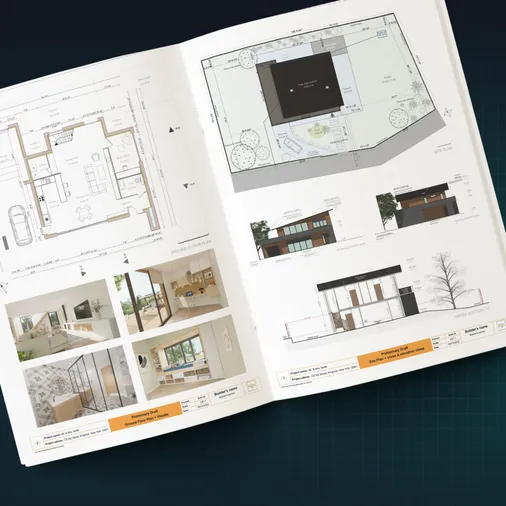
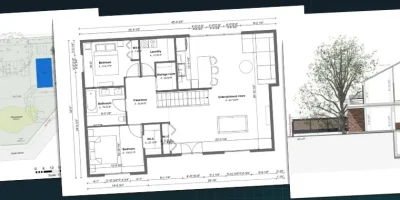
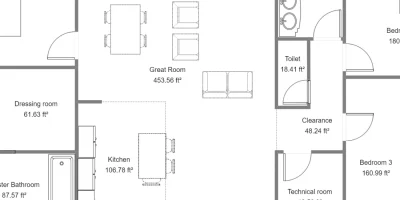
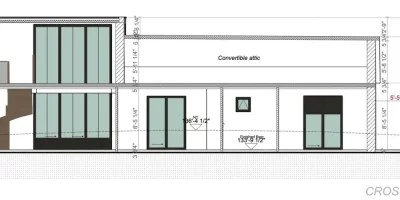
Plans – Get site plans, 2D floor plans, electrical plans, cross sections and elevation views — with all the technical details you need for a comprehensive project overview.
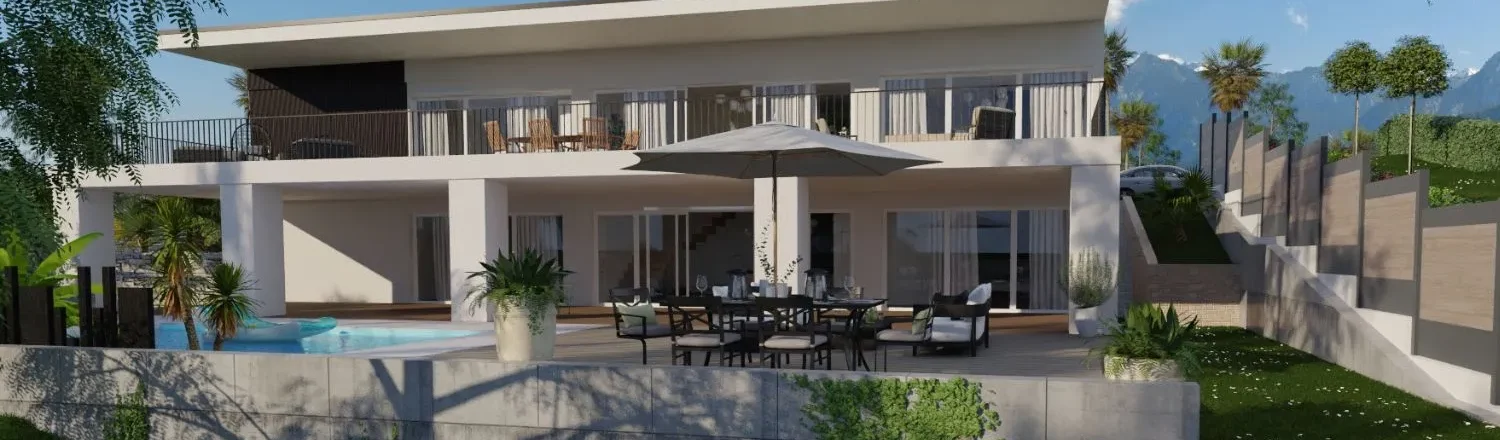
3D Visualizations – Use interior and exterior 3D renderings as well as 3D floor plans to help clients understand the finished project.
Documentation – Manage all your visual documents in one place, so it’s easier to present and sell your projects.
No credit card required, no commitment
Why Home Builder Sales Cycles Stall
Most home builder sales cycles stall for four reasons, and none of them is price.
Residential buyers contact several home builders at once, so the one who responds first seriously gets a head start the others may never catch.
By the time a buyer calls, they’ve done their research online, scrolled your social media, and sized up your brand.
That’s home builder marketing and lead generation’s job, and our companion guide on selling new construction homes covers it.
That’s the top of the funnel.
This guide picks up the moment the lead lands: the sales process that turns a potential client into a signed contract.
So here’s where deals quietly die:
- The first response came too late: Buyers reach out to several builders the same afternoon. The one who answers first and with substance owns the conversation. Wait a day and you’re already the runner-up.
- The builder didn’t qualify the buyer: Without knowing the budget, the timeline, and who signs off, you can pour hours into designs for someone who was never going to commit. That cost stays invisible until it compounds across a year of lost pre-construction hours.
- The co-decision maker was never in the room: One partner shows up excited. The other holds veto power and has zero connection to the project. With no plan to engage that second person, the deal floats indefinitely.
- Follow-up felt like pressure, not service: The standard “just checking in” email tells the buyer you’re waiting on them, not thinking about their home. It almost never moves a deal forward.
Here’s what you can do to avoid that sales cycle stall.
How to Speed Up Sales for Home Builders: 5 Process Changes That Work
None of these five changes requires more leads or a bigger sales team.
This isn’t a lead generation problem, it’s a process problem, and process is something even a small builder can fix this week.
Each one removes friction that’s already costing you signed contracts, and together they’re some of the highest-leverage ways to grow your construction company without spending more on marketing.
Respond to Every Inquiry Within 60 Minutes
Speed is the cheapest competitive advantage you have, and most builders waste it.
Harvard Business Review’s study The Short Life of Online Sales Leads found that firms contacting a lead within an hour were nearly seven times more likely to qualify it than those who waited even one hour longer, and more than 60 times more likely than those who waited a full day.
So a 60-minute target isn’t overkill, it’s the cushion that keeps you on the right side of that cliff.
Whether that first contact happens through your website, a text, or quick phone calls, the clock starts the second the buyer hits send.
The point is blunt: respond first and seriously, and you’re more likely to win the job before price ever comes up.
But speed only works if it’s consistent, and consistency comes from a protocol, not from hustle.
A builder who improvises every first contact loses the very reliability that makes fast response an advantage.
So be sure to decide in advance who responds, what they say, and what happens next.
You’re on a jobsite with a nail gun in your hand, not sitting at a desk, so fast response has to come from a system, not your willpower.
Here’s how small builders actually pull it off:
- Auto-reply that buys you time: Set an instant text or email that fires the moment a lead comes in: “Thanks, got your message, I’ll call you within the hour.” It stops the clock in the buyer’s mind without leaving them hanging.
- A designated point person: Hand first contact to an office admin, your spouse, or a part-time assistant whose only job is to answer, log the lead, and book the call. You stay on the tools and the buyer still gets a fast human reply.
- A live answering service for trades: Services built for contractors pick up in your company’s name, capture the basics, and text you the details. That’s far cheaper than a missed deal.
- Call forwarding or a simple phone tree: Route calls so they ring whoever’s free (office, then partner, then your cell) instead of dying in one person’s voicemail.
- A shared inbox with mobile alerts: Funnel web-form and email leads into one inbox the whole team sees, with push notifications, so the first available person grabs it.
- The two-minute rule from the field: Even between tasks, a 15-second text (“Got it, calling you at 4:30”) counts as your fast first response. The full conversation can wait; the acknowledgment can’t.
A strong first response includes three things:
- Acknowledgment that you got their inquiry and actually read it.
- One specific question about their project (the lot, the timeline, the must-haves) that signals you’re already thinking about them.
- A clear next step with a proposed date and time, not a vague “let’s connect soon.”
And it avoids the moves that stall momentum:
- Generic “thanks for reaching out” replies that advance nothing.
- Long forms or questionnaires before any human contact.
- Leaving the next step up to the buyer to figure out.
Qualify Budget, Timeline, and Decision Makers Before Designing Anything
Too many builders jump straight to drawing plans the moment a lead shows the slightest interest.
Before you draw a single wall, find out whether the buyer is real.
Design preferences matter (what rooms, what style, how they live), but they aren’t what tells you a buyer is worth your pre-construction time.
Three questions do that:
- Budget: Is what they want actually buildable for what they plan to spend? A buyer who wants a custom 3,000 square foot home on a 1,500 square foot budget isn’t a lead yet. They’re a conversation about reality.
- Timeline: Are they ready to move in a defined window, or “someday”? A serious timeline separates buyers from dreamers.
- Decision makers: Who else has to approve the final yes? If the person in front of you can’t sign alone, you need the other one early.
One more question quietly tells you a lot: how many other builders are they already talking to?
It signals where they are in the buying process and how hard you’ll have to compete.
Not all leads are created equal, and the fastest way to raise your lead quality is to stop confusing interest with intent.
A buyer who answers these questions is a qualified prospect, and chasing quality construction leads beats chasing volume every time.
A potential client who dodges these questions is a maybe you can’t afford to design for, which is exactly why a documented qualification step belongs in every builder’s pre-construction process.
For custom builders especially, this qualifying conversation is your first real sales tool.
Done well, it starts to build trust and raise your perceived value: the buyer sees a pro with a process, not a vendor desperate for the job.
PRO TIP! Don’t ask “what’s your budget?” and accept a guarded answer. Give the buyer a per-square-foot range based on what they’ve described, like “a home like this usually lands between $140 and $150 a square foot, does that work?” Then watch their reaction. Bracket budgeting gets you a real number and takes you out of the price-giver seat.
Make the First Serious Meeting a Visual Conversation
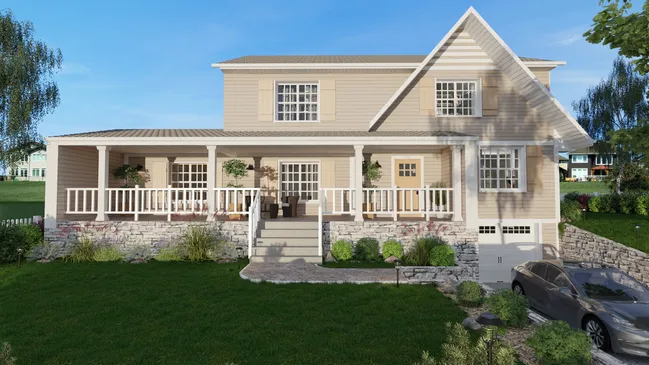
The first serious meeting should give the buyer something to react to, not just listen to.
When you talk through a project with a flat 2D floor plan, the buyer has to imagine more of it, and that need for imagination breeds hesitation and uncertainty.
But when you show a rendering built from their actual brief, the home stops being an abstract idea and starts to feel real.
That emotional pull, paired with the logic of a builder who clearly runs a tight process, helps build trust and makes big buying decisions feel easy instead of risky.
This isn’t about dazzling them with a generic portfolio of past projects.
It’s about putting their home (their lot, their layout, their must-haves) on the screen so the conversation shifts from you to them and their needs.
Cedreo advantage Cedreo produces a client-ready exterior rendering and floor plan in under two hours from a first brief. That speed means you can walk into the first serious meeting with something specific to this buyer’s project, not a stock photo from a past build.
Bring the Co-Decision Maker In Before the Proposal
The fastest way to stall a new home sale is to move towards the proposal before both decision makers are engaged.
Waiting until the proposal stage to involve the second decision maker is a problem:
- The absent partner has no emotional investment in the project. They didn’t sit in the meeting, didn’t see the rendering, didn’t feel the excitement.
- They ask the skeptical questions the first partner already worked through, except now you’re not in the room to answer them.
- By the time those objections surface, the proposal is already on the table and starts to look like pressure.
Two fixes keep the deal moving:
- Make the second meeting, with both decision makers present, a non-negotiable step early in your process., not a nice-to-have. A gate.
- Give the buyer a shareable visual after the first meeting so the absent partner can engage with the project before that meeting happens.
Cedreo advantage A rendering shared as a PDF or link lets the buyer show the project to their co-decision maker at the kitchen table, no second site visit required. The emotional investment the first partner felt in your meeting travels home with the visual.
Follow Up With a Project Update, Not a Check-In
Stop sending “just checking in.”
Start sending proof you were listening.
The follow-up that actually moves a stalled deal isn’t a reminder that you exist.
It’s a small piece of work that shows the buyer their project has been on your mind.
Here’s the play:
- Timing: Two to three days after the first serious meeting. Long enough to feel considered, short enough to keep momentum.
- What to send: A revised rendering or a small design update, not a paragraph of text. Change one thing the buyer mentioned.
- How to frame it: Tie the change to something they said, like “we adjusted the kitchen layout based on what you told us about morning light.”
That message does the opposite of pressure. It signals investment.
It also pays to be patient and persistent: closing a new home rarely happens on the first follow-up, yet many builders quit long before a serious buyer is ready to commit.
A simple customer relationship management (CRM) tool helps you track what each buyer said, so these updates stay personal even as your pipeline grows.
That kind of attention drives customer satisfaction, and satisfied clients become the past buyers who refer the next job.
A buyer who sees you thinking about their home between meetings starts thinking of you as their builder, not one of three options.
How to Measure Whether Your Home Builder Sales Strategy Is Working
Four numbers tell home builders whether their sales process is actually getting faster.
You don’t need a complicated dashboard, just these four metrics:
| Metric | What it tells you | What to aim for |
| Lead response time | Average minutes from first inquiry to first real response | Under 30 minutes |
| Qualification rate | Share of inquiries that become qualified prospects worth designing for | Higher is better; it protects design time |
| Close rate | Proposals submitted versus projects signed | Your single most important number |
| Sales cycle length | Days from first contact to signed contract | Even a 20% cut adds real annual capacity |
These four map to the same levers that drive sales velocity: how many opportunities you have, how often you close them, how big each deal is, and how long the cycle takes.
You don’t need a complicated equation, just watch the levers.
- Lead response time: Timestamp every inquiry and your first real reply for two weeks, then average the gaps. Most builders find the true number is worse than they would guess, and just watching it starts to pull it down.
- Qualification rate: Divide qualified prospects by total inquiries each month. A low rate points to weak lead sources, while a healthy rate paired with few closings means the qualifying conversation, not lead volume, is where deals slip away.
- Close rate: Track it by lead source, not just overall. Many builders close 1-in-3 referrals but 1-in-10 from ads, and that split tells you where to spend time to increase sales without buying more leads.
- Sales cycle length: Measure it in stages: inquiry to meeting, meeting to proposal, proposal to signed contract. The longest gap is your bottleneck, and for most builders it is the wait on design that stalls the construction project and keeps the sales team from starting the next one.
Close New Home Sales Faster With the Right Tools
Speeding up sales isn’t about working buyers harder, it’s a sales strategy built on removing friction.
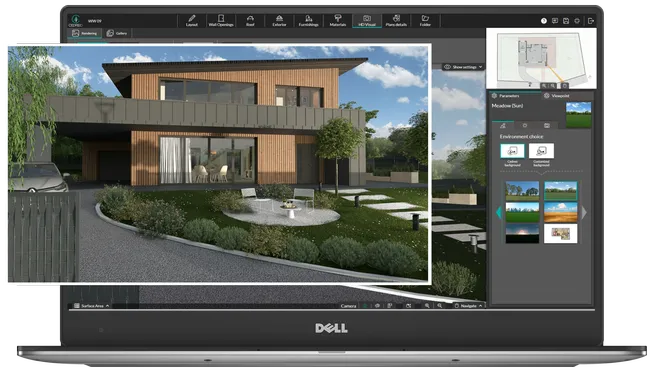
Construction design software powers most of those moves is a fast way to put the buyer’s project on screen, and that’s where Cedreo helps home builders and their sales team:
- Client-ready 3D renderings and floor plans in a fraction of the time of traditional software.
- Shareable presentation documents your buyers can take home to the co-decision maker.
- A complete project (site plans, cross sections, elevations and 3D floor plans) in under two hours, with no CAD skills required.
Sign up for a free Cedreo account today and walk into your next first meeting with something to show.
Speed Up Sales for Builders FAQs
How do I speed up sales for my construction business?
Remove the friction that slows deals in your construction company: respond to inquiries within 60 minutes, qualify budget and decision makers before designing, make the first meeting visual, and follow up with real project updates.
Tools like Cedreo help by turning a buyer’s brief into a client-ready rendering fast, so the conversation moves to commitment sooner.
Why do new home construction sales stall?
Most stall because of slow first responses, buyers who were never properly qualified, a co-decision maker who was never engaged, or follow-up that feels like pressure.
Builders who fix these process gaps, and show buyers a Cedreo rendering early, keep deals moving instead of letting them drift.
How do I qualify construction leads without wasting design time?
Before you design anything, confirm three things: a realistic budget, a serious timeline, and who has final say.
A Cedreo concept can come after qualification, so your pre-construction hours go only to the quality leads who are ready.
How do I get the co-decision maker involved in a new home sale?
Make a meeting with both decision makers a required early step, and send a shareable visual after the first meeting so the absent partner can engage at home.
A Cedreo rendering shared as a PDF or link carries the project’s appeal to whoever wasn’t in the room.
What is the best follow-up strategy after a construction proposal?
The best follow-up strategy after a construction proposal is to, two to three days out, send a small design update tied to something the buyer said, not a generic check-in.
A revised Cedreo rendering with a note like “we adjusted the kitchen based on your feedback” shows you were listening and keeps momentum.
How do I increase my close rate as a home builder?
To increase your close rate as a home builder, qualify harder so you only design for the right buyers, and make your first meeting a visual conversation that helps buyers decide faster.
Home builders who present Cedreo renderings early tend to convert more proposals into signed contracts.
How do I increase sales in a construction business?
To increase sales in your construction business focus on shortening the sales cycle instead of chasing more leads: faster responses, tighter qualification, and visuals that help buyers commit.
Construction company owners can often increase sales by using high quality 3D images from software like Cedreo to create a faster emotional connection with buyers.
Do I need more home builder marketing to speed up sales?
Not usually. Home builder marketing fills the top of your funnel, but if the sales process below it leaks, more home builder marketing just feeds a leaky bucket.
So it’s best to first fix response time, how you qualify leads, and the fast visual follow-up with tools like Cedreo.
How many contacts does it take to close a new home construction sale?
It varies, and it usually takes several touchpoints rather than one, so persistence matters.
Keeping each touch valuable and purposeful matters more than the raw number.
How do I leverage social media to speed up sales for builders?
Share your Cedreo renderings, project pictures, and pictures of model home open houses on social feeds where your target buyers are already house hunting,
Then post social proof like reviews and before and after pictures of finished projects to build credibility with new audiences.